Credit: Pexels
Practical tips to manage sibling squabbles while fostering love and harmony.
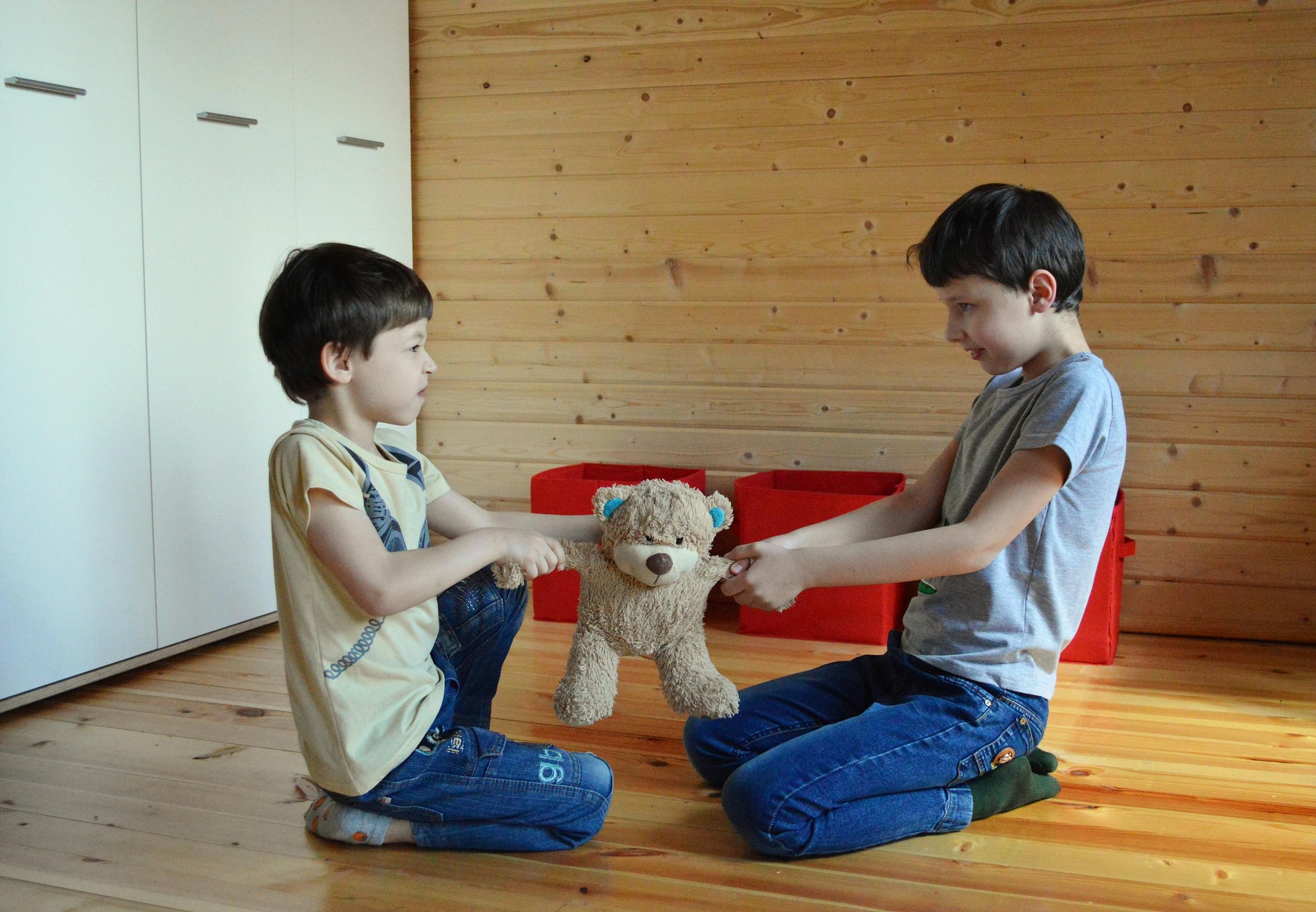
Sibling rivalries are as old as time, from the classic squabbles over toys to who gets to pick the movie on family night. While sibling clashes can be frustrating for parents, they’re actually a natural part of growing up. When managed well, they can even teach kids important lessons about communication, empathy, and conflict resolution. So, how can you handle sibling rivalries without losing your cool? Here’s a friendly guide to navigating those bumps in the sibling bond road.
1. Understand Why Siblings Fight
Sibling rivalries often stem from competition for attention, differing personalities, or even something as simple as a bad mood. One child may feel like they’re being overlooked, or another might have a strong personality that clashes with their sibling’s laid-back vibe. Understanding the root cause of the tension can help you address it more effectively.
2. Stay Calm and Neutral
When an argument breaks out, it’s tempting to jump in as the referee. But the first rule of handling sibling rivalries like a pro is to stay calm and avoid taking sides. Kids can easily sense bias, and favoritism (even if unintentional) can fuel resentment. Instead, listen to both sides of the story and encourage them to find a solution together.
3. Set Clear Boundaries
It’s essential to establish family rules about how disagreements should be handled. Make it clear that hitting, name-calling, or other hurtful behavior isn’t acceptable. Teach your children how to express their feelings calmly and respectfully. For example, phrases like “I feel upset when you take my things” can be more effective than shouting or blaming.
4. Foster Teamwork, Not Competition
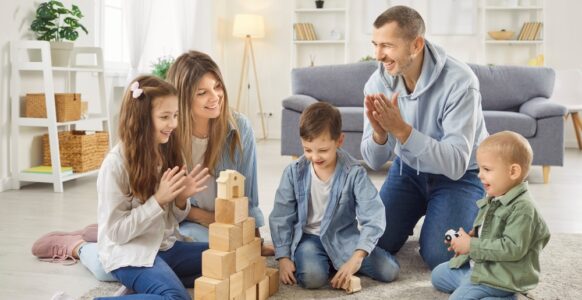
Encourage activities that require siblings to work together rather than compete against each other. Team sports, cooperative board games, or building a puzzle together can strengthen their bond. Celebrate their teamwork by saying things like, “You both did such a great job working together on that!”
5. Spend One-on-One Time with Each Child
Sometimes, sibling rivalries flare up because a child feels they aren’t getting enough individual attention. Make an effort to spend quality time with each child, doing something they love. This reassures them that they’re valued and reduces the need to compete for your attention.
6. Teach Problem-Solving Skills
Instead of solving every argument for them, guide your kids to resolve conflicts on their own. Ask questions like, “What do you think we can do to make this fair for both of you?” or “How would you feel if your sibling did this to you?” This helps them develop empathy and negotiation skills that they’ll use throughout their lives.
7. Don’t Compare Your Kids
Avoid saying things like, “Why can’t you be more like your brother/sister?” Comparisons can create feelings of inadequacy or jealousy, fueling rivalry. Instead, celebrate each child’s unique strengths and remind them that everyone has something special to offer.
8. Encourage Apologies and Forgiveness
After a heated argument, encourage your kids to apologize sincerely and forgive each other. Model this behavior in your own relationships, so they understand the importance of making amends. A simple “I’m sorry” can go a long way in restoring peace.
9. Celebrate Their Bond
Remind your kids of the importance of their sibling relationship. Share stories of your own siblings or family members who supported each other through thick and thin. Point out moments when they show kindness or teamwork, and praise them for it.
10. Know When to Step In
While it’s good to let kids resolve conflicts on their own, there are times when parents need to step in. If a fight becomes physical, overly intense, or repetitive, it’s time to intervene. Address the issue calmly, separating the kids if needed, and discuss the situation once everyone has cooled off.
Final Thoughts
Sibling rivalries are a normal part of family life, but they don’t have to dominate your household. By teaching your kids healthy ways to handle disagreements and fostering a sense of teamwork, you’re helping them build a lifelong bond. With patience, empathy, and the right tools, you can turn sibling clashes into opportunities for growth and understanding.