
Credit: Shutterstock
We’ve all been there: you walk through the front door after a grueling day, and before you can even drop your keys, a wagging tail or a soft purr greets you. Suddenly, the weight of the world feels a little lighter. While we often call this “animal magic,” it turns out there is some serious science happening behind those puppy-dog eyes.
Our pets aren’t just roommates who pay their rent in cuteness; they are biologically hardwired to regulate our nervous systems.1 Here is the fascinating breakdown of how our furry (and scaly!) friends keep us happy.
1. The “Love Molecule” Connection
The most powerful tool in your pet’s happiness arsenal is a hormone called oxytocin. Often dubbed the “cuddle chemical” or “love hormone,” oxytocin is the same stuff that helps human parents bond with their babies.
-
The Eye Contact Effect: Research shows that when you look into your dog’s eyes, both your brain and the dog’s brain release a surge of oxytocin. It’s a literal feedback loop of love.
-
The 10-Minute Rule: Studies have found that just 10 minutes of petting a cat or dog can significantly lower levels of cortisol, the body’s primary stress hormone.
2. Biological “Co-Regulation”
Did you know that your pet can actually change your physical rhythm? This is known as co-regulation. When you sit with a calm animal, your body naturally begins to mimic their state of relaxation.
-
Heart Rate Syncing: In many cases, a human’s heart rate will slow down to match the steady, rhythmic breathing of a resting pet.
-
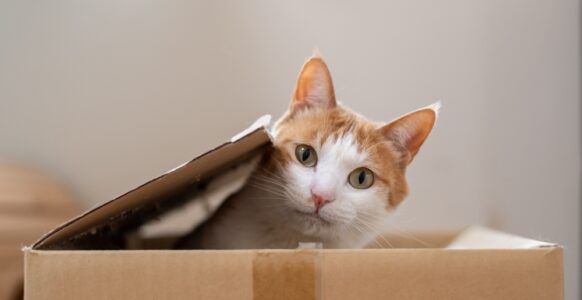
The Power of the Purr: A cat’s purr vibrates at a frequency (between 25 and 150 Hertz) that has been shown to improve bone density and promote healing in human tissues. It is essentially a living, breathing white-noise machine for your soul.
3. Mindfulness Without the Effort
Psychologists often preach the benefits of “living in the moment,” but humans are notoriously bad at it. We worry about tomorrow’s meeting or yesterday’s awkward comment.
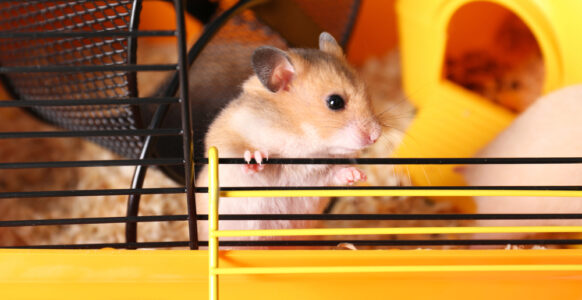
Pets, however, are masters of the “now.” Whether it’s a dog chasing a ball or a hamster exploring a tube, their singular focus on the present is infectious. By observing them, we are subtly nudged into a state of mindfulness, which breaks the cycle of anxious overthinking.
Comparison: Life With vs. Without a Pet
| Feature | Without a Pet | With a Pet |
| Morning Routine | Often rushed or sluggish | Built-in “alarm clock” and purpose |
| Stress Recovery | Rely on screens or solitude | Instant hormonal “reset” through touch |
| Physical Activity | Requires high self-motivation | Often “forced” by walkies or playtime |
| Social Life | Can feel isolating | Natural conversation starters |
4. The “Aunty Phenomenon” and Purpose
A recent 2025 study introduced a concept called the “Aunty Phenomenon,” which suggests that even though pets come with responsibilities (cleaning the litter box, the 6 AM walks), those very tasks contribute to our happiness.Having a living being rely on you provides a “sense of agency” and a reason to get out of bed, which is a powerful defense against depression.
Fun Fact: Recent economic studies have estimated the “happiness value” of a pet to be equivalent to an extra $94,000 in annual income!8 You might not see it in your bank account, but your brain definitely feels the wealth.
How to Maximize the “Pet Effect”
If you’re looking to boost your mood today, try these science-backed tips:
-
Ditch the Phone: Put your phone away while petting your animal. The oxytocin boost is much stronger when you are fully engaged.
-
Match Their Breath: If your pet is napping, sit near them and try to sync your breathing to theirs. It’s a shortcut to activating your parasympathetic (rest-and-digest) nervous system.
-
Active Play: Just five minutes of “zoomies” or laser-pointer chasing releases dopamine in both you and your pet.
Our pets don’t just live in our homes; they live in our biology. They are nature’s way of reminding us to breathe, move, and love—no matter how many shoes they might chew along the way.