

Credit: Shutterstock
Potatoes often get sidelined in conversations about healthy eating, mostly because they’re associated with fries, chips, and heavy toppings. But nutritionally, potatoes are far more than just “carbs.” A medium potato with skin contains around 160 calories, about 4 grams of fiber, 5 grams of protein, and a healthy dose of potassium and B vitamins. They’re naturally fat-free and surprisingly filling.
What really determines whether potatoes are healthy or not is how they’re prepared. Frying adds excess fat and calories, while heavily processed versions often come with added sodium and fewer nutrients. Research has even linked frequent consumption of fried potatoes with negative health outcomes, while boiled or baked potatoes show a much weaker association with issues like type 2 diabetes.
In short: potatoes can absolutely fit into a balanced diet—if you treat them right. Here are seven recipes that do exactly that, along with why they’re a smarter choice.
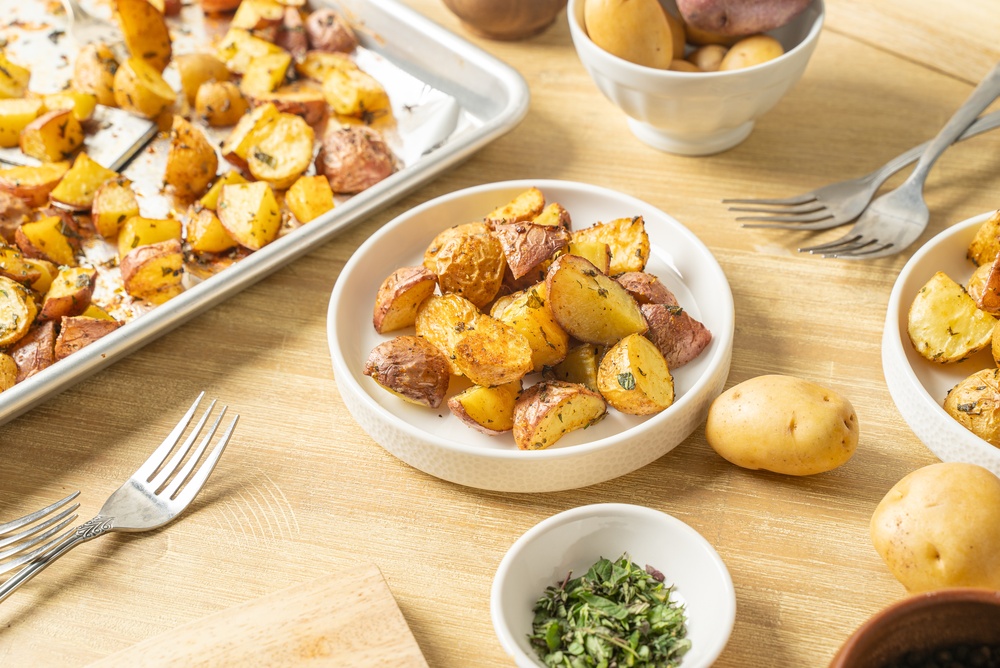
1. Simple Herb-Roasted Potatoes and Vegetables
Credit: Shutterstock
Roasting brings out the natural sweetness and texture of potatoes without needing much added fat. Pairing them with vegetables like carrots, zucchini, and onions increases the overall nutrient density of the dish.
Nutritional insight:
Combining potatoes with non-starchy vegetables balances the carbohydrate load and adds vitamins like A and C, along with antioxidants and extra fiber.
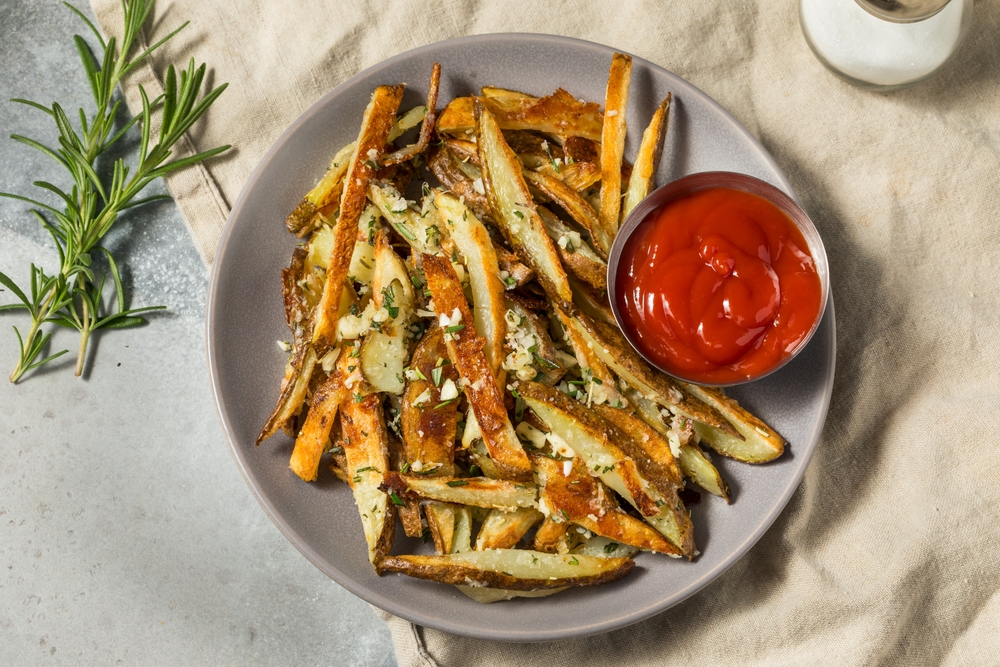
2. Baked Garlic Parmesan Fries
Credit: Shutterstock
Traditional fries are deep-fried, which significantly increases their calorie density. Baking them instead allows you to control fat content while still achieving a crispy texture.
Nutritional insight:
Keeping the skin intact preserves about half of the potato’s fiber. Fiber supports digestion, helps regulate blood sugar, and contributes to satiety.
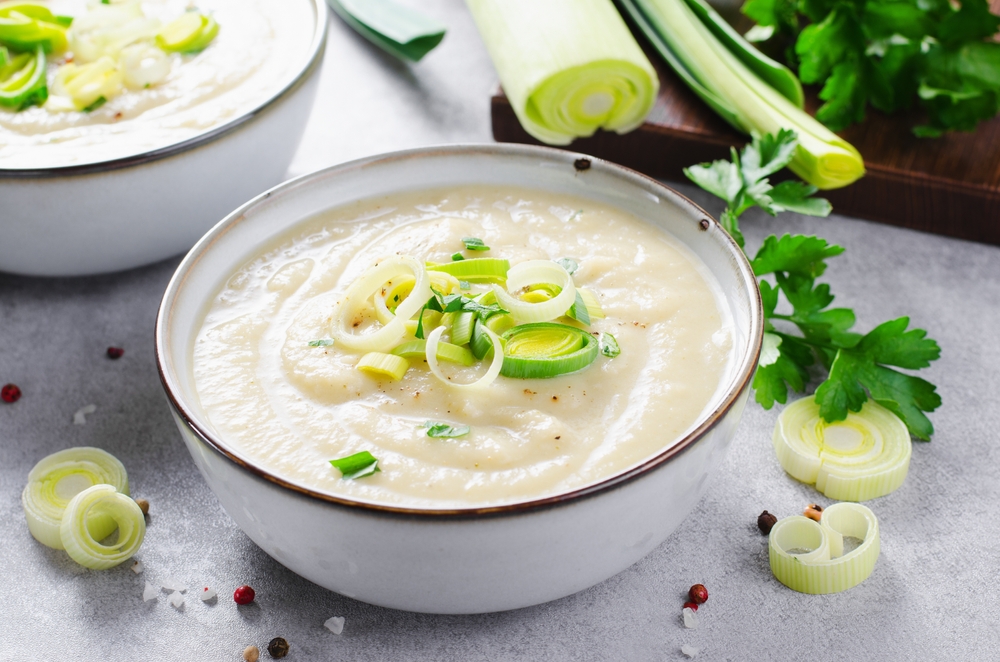
3. Vegan Potato-Leek Soup
Credit: Shutterstock
Potatoes act as a natural thickener, eliminating the need for heavy cream. Leeks add flavor complexity without requiring excess salt or fat.
Nutritional insight:
This type of preparation keeps the dish low in saturated fat while still delivering potassium, which plays a role in maintaining healthy blood pressure.
4. Greek Yogurt Potato Skins

Credit: Shutterstock
A lighter take on a classic appetizer, this version swaps high-fat toppings like sour cream and bacon for Greek yogurt and fresh herbs.
Nutritional insight:
Greek yogurt provides protein and beneficial probiotics, improving the dish’s nutritional profile while reducing saturated fat.
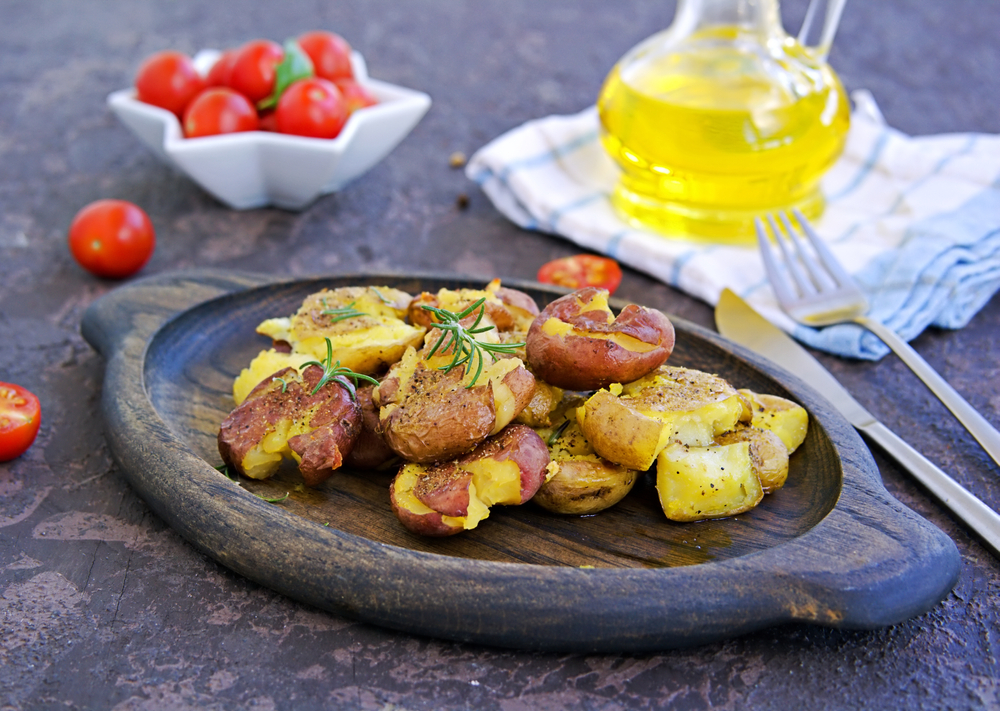
5. Crispy Smashed Potatoes with Olive Oil
Credit: Shutterstock
Boiling followed by roasting creates a crispy exterior without deep frying. Olive oil adds flavor and beneficial fats.
Nutritional insight:
Olive oil contains monounsaturated fats, which are associated with heart health when used in moderation.
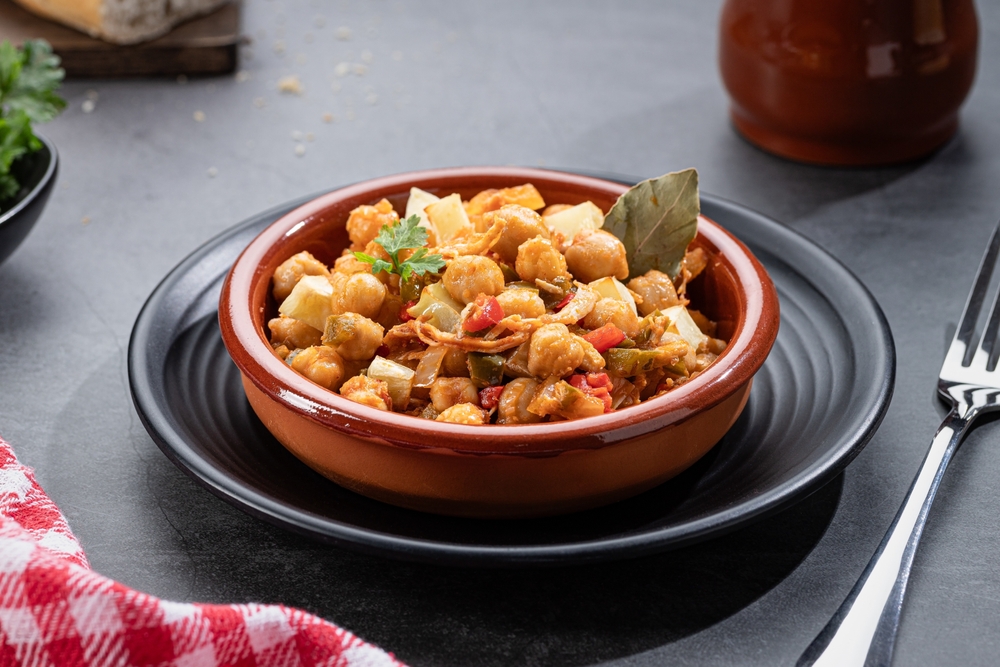
6. Balanced Potato and Chickpea Bowl
Credit: Shutterstock
Pairing potatoes with legumes like chickpeas creates a more nutritionally complete meal.
Nutritional insight:
This combination offers complex carbohydrates, plant-based protein, and fiber, helping stabilize energy levels and reduce hunger between meals.
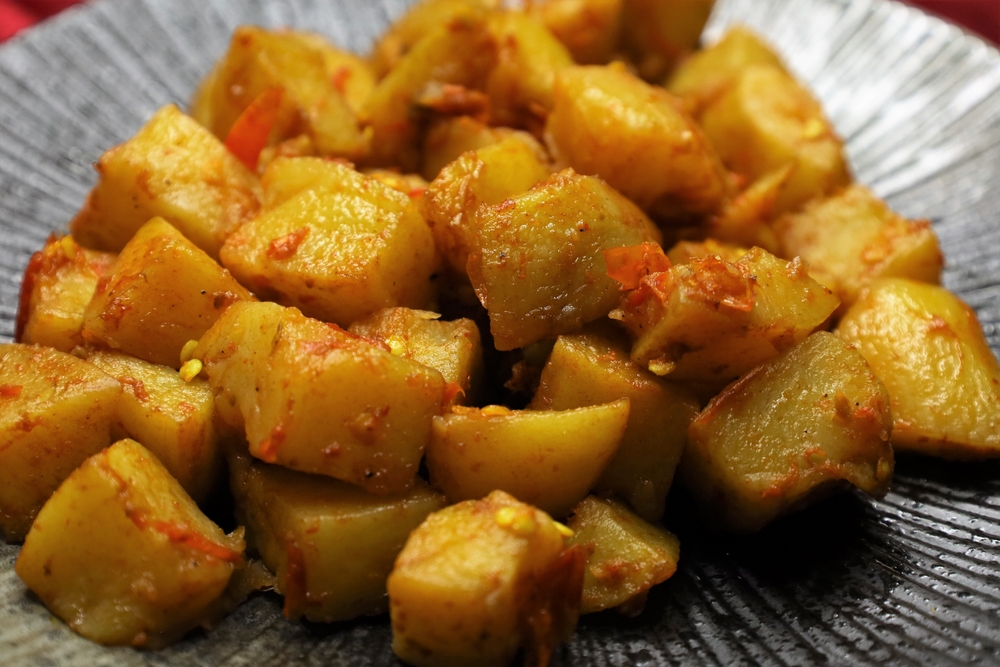
7. Air-Fried Spiced Potato Cubes
Credit: Shutterstock
Air frying uses significantly less oil than traditional frying methods while still achieving a similar texture.
Nutritional insight:
Reducing oil intake lowers overall calorie consumption, making this a better option for weight management without sacrificing taste.
Why Preparation Matters More Than the Potato Itself
Large-scale dietary studies have shown a clear distinction between fried and non-fried potato consumption. Fried versions are more strongly associated with health risks, while boiled or baked potatoes show neutral or even beneficial effects—especially when they replace refined grains.
Additionally, increasing potassium intake from foods like potatoes has been linked to improved blood pressure levels. Their fiber content also contributes to better digestive health and overall diet quality.
Final Takeaway
Potatoes are not inherently unhealthy—they’re simply misunderstood. When minimally processed and paired with nutrient-rich ingredients, they can support a well-rounded diet.
Think of potatoes less like a “junk food” and more like a base ingredient, similar to rice or pasta. Portion control, cooking method, and toppings are what ultimately determine their impact on your health.
Handled the right way, potatoes can be one of the most practical, affordable, and nutritious staples in your kitchen.