Credit: Shutterstock
If you’ve spent any time on fashion TikTok or Pinterest lately, you’ve probably seen the term “old money aesthetic.” Think tailored blazers, crisp button-downs, loafers, muted colors, and that effortless “I summer in the Hamptons” vibe.
But here’s the secret: building an old money wardrobe isn’t about spending more — it’s about buying smarter.
If you really want that timeless, understated luxury look, here are five things to stop buying right now — and what to choose instead.
1. Loud Logo Pieces
Huge designer logos splashed across T-shirts, belts, and bags might scream “expensive,” but they rarely whisper “elegant.”
The old money aesthetic is rooted in quiet luxury. Wealth doesn’t need to advertise itself. In fact, the most refined wardrobes focus on quality fabrics, tailoring, and subtle details — not brand names.
Stop buying:
-
Logo-heavy tees
-
Monogram overload
-
Trendy “It” pieces covered in branding
Buy instead:
-
Well-fitted basics in neutral tones
-
Leather goods with minimal hardware
-
Pieces that look expensive because of the material, not the logo
2. Fast Fashion Trend Cycles
Micro-trends come and go faster than you can say “core aesthetic.” One month it’s neon cargo pants, the next it’s metallic everything.
Old money style isn’t trend-driven. It’s timeless. Think pieces you can wear this year, next year, and ten years from now.
Stop buying:
-
Ultra-trendy statement items
-
Poor-quality fabrics that won’t last
-
“Viral” pieces you’ll get bored of in weeks
Buy instead:
-
Tailored trousers
-
Structured blazers
-
Wool coats
-
Classic denim with a straight or slim cut
If you wouldn’t wear it five years from now, it probably doesn’t belong in an old money wardrobe.
3. Overly Distressed or Flashy Details
Ripped jeans, extreme cut-outs, heavy embellishments, neon trims — these are fun, but they lean more edgy or street-style than heritage elegance.
Old money fashion is polished. Even casual outfits look intentional and refined.
Stop buying:
-
Heavily ripped jeans
-
Bedazzled anything
-
Over-the-top hardware
-
Loud animal prints (in excess)
Buy instead:
-
Dark-wash or white denim
-
Silk blouses
-
Simple gold jewelry
-
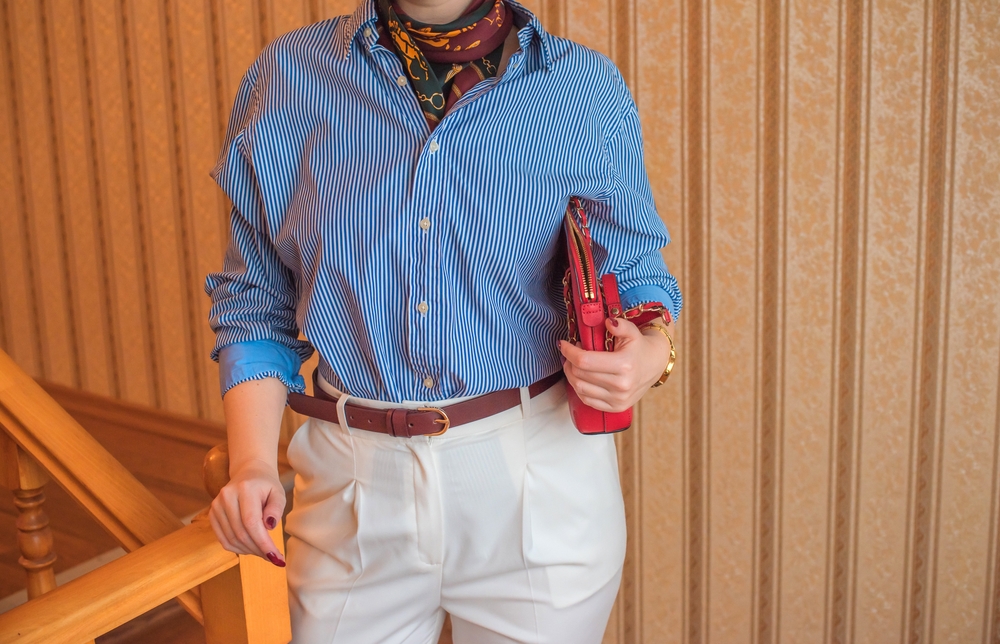
Understated patterns like stripes, plaid, or subtle houndstooth
Remember: less drama, more structure.
4. Poorly Fitted Clothing
Nothing ruins a refined look faster than clothes that don’t fit well. Too tight looks try-hard. Too baggy looks careless.
The foundation of an old money wardrobe is tailoring. Even a simple outfit — say, a white shirt and navy trousers — looks elevated when it fits perfectly.
Stop buying:
-
Items you plan to “make work” later
-
Cheap blazers with awkward shoulders
-
Pants that bunch at the ankles
Buy instead:
-
Pieces that fit your body properly
-
Tailoring adjustments when needed
-
Structured silhouettes that create clean lines
Fit is everything. A $70 blazer that fits well will look better than a $700 one that doesn’t.
5. Synthetic-Heavy Fabrics That Look Cheap
Fabric matters more than brand. Polyester blends that wrinkle oddly or shine under light instantly cheapen an outfit.
Old money style favors natural, high-quality materials — the kind that age beautifully.
Stop buying:
-
Thin, shiny polyester
-
See-through knits
-
Stiff, low-quality blends
Buy instead:
-
Cotton
-
Linen
-
Wool
-
Cashmere
-
Silk
-
High-quality denim
Even on a budget, always check the fabric tag. Texture and drape make a huge difference.
What an “Old Money” Wardrobe Really Means in 2026
In today’s fashion world, the old money aesthetic isn’t about pretending to be someone you’re not. It’s about embracing:
-
Timeless over trendy
-
Quality over quantity
-
Fit over flash
-
Subtlety over statement
You don’t need generational wealth — you need thoughtful choices. Start with neutral colors like navy, cream, beige, black, and white. Invest in tailoring. Choose structured bags. Keep jewelry minimal and classic.
And most importantly? Wear your clothes with confidence and ease. True old money style isn’t loud — it’s relaxed, polished, and completely unbothered.
So next time you’re tempted by a flashy trend or a logo-heavy piece, pause and ask yourself:
Will this still look elegant five years from now?
If the answer is no, you know what to do.