Credit: Shutterstock
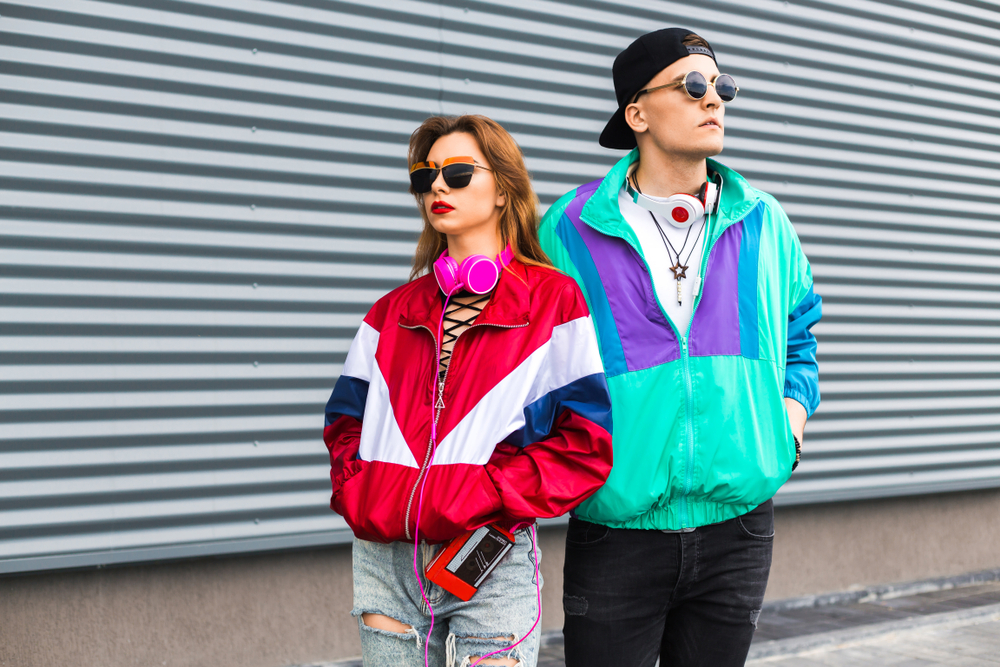
If you have noticed Gen-Z influencers wearing baggy jeans, oversized polos, chunky sneakers, and retro windbreakers, you are not imagining things. Fashion styles commonly associated with 1990s suburban dads have made a strong comeback across social media platforms. What once felt outdated or unfashionable is now widely embraced by young creators as a deliberate style choice.
This shift is not accidental. It reflects broader cultural, social, and economic trends shaping how Gen-Z approaches fashion today.
1. The Influence of Digital Nostalgia
Nostalgia plays a major role in current fashion trends, even for eras that Gen-Z did not personally experience. Social media platforms such as TikTok, Instagram, and YouTube regularly resurface archival clips, old advertisements, and 1990s pop culture references. These visuals create a sense of familiarity and emotional appeal around the decade.
For Gen-Z, the 90s represent a time perceived as simpler, less digitally saturated, and more authentic. Influencers often use this aesthetic to stand out in a fast-moving online environment that values originality and visual storytelling.
2. A Shift Toward Comfort-Driven Fashion
Another major factor behind the rise of 90s-inspired “dad fashion” is comfort. The slim, highly tailored silhouettes that dominated the 2010s are gradually being replaced by relaxed fits and functional clothing.
Common elements of this trend include:
-
Loose-fitting denim or pleated trousers
-
Oversized T-shirts and button-down shirts
-
Practical outerwear such as windbreakers and fleece jackets
-
Chunky, supportive footwear
These styles align with Gen-Z’s preference for clothing that allows ease of movement while still making a visual statement.
3. Celebrity and Pop Culture Endorsement
Celebrity influence continues to shape fashion trends, and many high-profile figures have adopted retro-inspired wardrobes. Musicians, actors, and athletes are frequently seen wearing vintage sportswear, classic sneakers, and oversized silhouettes reminiscent of the 90s.
Gen-Z influencers often reinterpret these looks by mixing vintage pieces with modern styling, making them more accessible and relatable to their audiences. This cycle accelerates trend adoption across platforms.
4. Sustainability and the Rise of Thrift Culture
Sustainability is a defining value for Gen-Z, and fashion choices increasingly reflect environmental awareness. Thrifting, secondhand shopping, and vintage resale platforms have become mainstream.
Clothing from the 1990s is widely available in thrift stores and online resale markets, making it an affordable and sustainable option. Wearing older styles also helps influencers differentiate their personal brand by avoiding mass-produced fashion.
5. Rejection of Traditional Fashion Rules
Gen-Z tends to challenge established norms, including traditional ideas of what is considered fashionable or flattering. Dressing like a “90s dad” is often a conscious rejection of rigid style rules in favor of individuality and self-expression.
Irony and experimentation play a role, but over time the look has evolved from playful to genuinely fashionable. What started as unconventional is now widely accepted and even aspirational.
6. The Cyclical Nature of Fashion
Fashion operates in cycles, typically revisiting past trends every few decades. The renewed interest in 90s dad fashion fits this pattern, but with a modern twist. Gen-Z is not simply copying old styles; they are adapting them to contemporary contexts through updated cuts, accessories, and styling techniques.
This reinterpretation ensures the trend feels relevant rather than outdated.
The popularity of 90s dad fashion among Gen-Z influencers is driven by a mix of nostalgia, comfort, sustainability, celebrity influence, and a desire for individuality. What once symbolized practicality and routine has been transformed into a statement of confidence and cultural awareness.
Rather than looking backward, this trend shows how younger generations reshape the past to reflect modern values. In doing so, Gen-Z has turned an unexpected style reference into one of today’s most recognizable fashion movements.