
Credit: Shutterstock
Chocolate is one of the most loved treats in the world. Whether it’s a small square after dinner, a warm cup of hot chocolate on a cold day, or a chocolate cake at a celebration, this sweet delight has a special place in many hearts. But have you ever wondered how chocolate actually makes its way from a plant in the tropics to the delicious bar in your hand? The journey is much more fascinating than most people imagine.
Where Chocolate Begins
Chocolate starts its life as a seed inside the fruit of the cacao tree, scientifically known as Theobroma cacao. The name literally means “food of the gods,” and once you learn about the long process behind chocolate, the name seems quite fitting.
Cacao trees grow mainly in warm, humid regions close to the equator, including countries in West Africa, South America, and Southeast Asia. These trees produce colorful pods that grow directly on their trunks and branches. Each pod contains around 30 to 50 cacao beans surrounded by a soft, sweet pulp.
Harvesting the Cacao Pods
When the pods are ripe, farmers carefully cut them from the trees by hand. This is an important step because the trees are delicate and can easily be damaged. After harvesting, the pods are opened, and the beans along with the sticky pulp are removed.
At this stage, the beans don’t taste anything like chocolate yet. In fact, they are bitter and quite unpleasant. The real transformation begins with the next step.
The Magic of Fermentation
The beans are placed in large boxes or covered piles and left to ferment for several days. During fermentation, natural microorganisms break down the pulp surrounding the beans. This process develops the rich chocolate flavor that we love.
Fermentation also changes the color and texture of the beans. Without this step, chocolate would never develop its signature taste.
Drying Under the Sun
After fermentation, the beans are spread out under the sun to dry. Farmers regularly turn them to ensure even drying and to prevent mold from forming. This stage can take about a week depending on the weather.
Once the beans are properly dried, they are packed into bags and shipped to chocolate factories around the world.
Roasting to Unlock Flavor
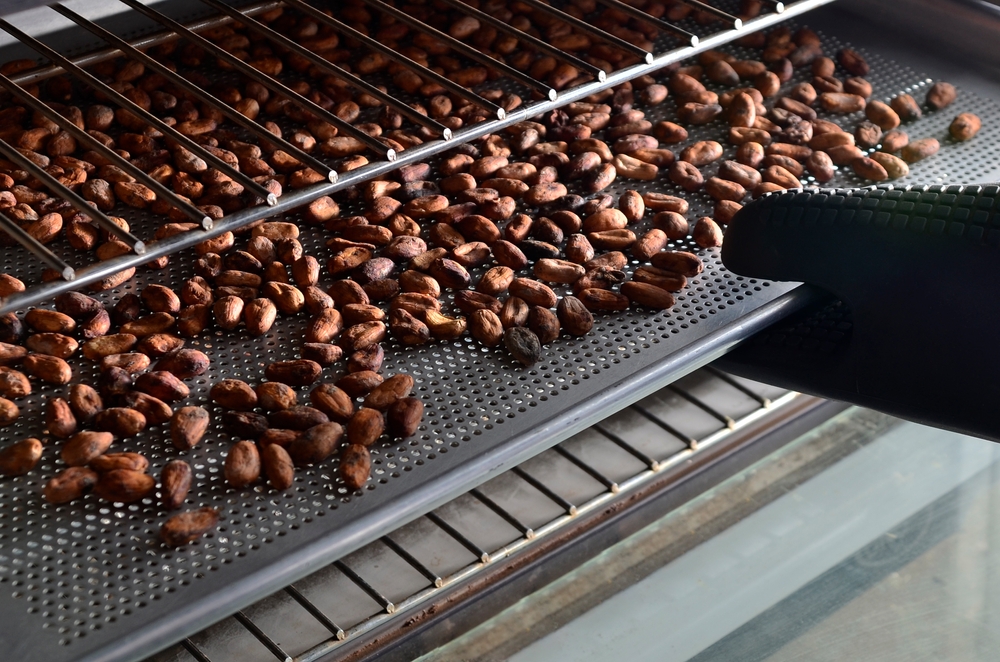
At the factory, the cacao beans are roasted at carefully controlled temperatures. Roasting deepens the flavor and aroma, much like roasting coffee beans. The heat also loosens the thin outer shell of each bean.
After roasting, the shells are removed, leaving behind small pieces called cacao nibs. These nibs are the pure essence of chocolate.
Grinding Into Chocolate
The nibs are then ground into a thick paste known as chocolate liquor. Despite its name, it doesn’t contain alcohol. It’s simply a smooth mixture made from cocoa solids and cocoa butter.
From here, different ingredients such as sugar, milk, or additional cocoa butter may be added depending on the type of chocolate being made. For example, milk chocolate contains milk powder, while dark chocolate usually contains a higher percentage of cocoa.
Refining and Conching
To create that smooth texture we expect from good chocolate, the mixture goes through refining and a special mixing process called conching. During conching, the chocolate is stirred and heated for several hours, sometimes even days.
This step removes unwanted acidity and helps create the silky texture that melts perfectly in your mouth.
Tempering and Shaping
The final step is tempering. Chocolate is carefully heated and cooled to stabilize the cocoa butter crystals. This process gives chocolate its shiny appearance and satisfying snap when you break it.
Once tempered, the chocolate is poured into molds and cooled until it becomes the bars, truffles, or other treats we see in stores.
A Treat With a Long Journey
From a tropical cacao pod to a neatly wrapped chocolate bar, the journey of chocolate is surprisingly long and full of careful craftsmanship. Every step, from fermentation to tempering, plays a crucial role in creating the flavor and texture that people around the world enjoy.
So the next time you unwrap a piece of chocolate, take a moment to appreciate the incredible journey it took to reach you. That small bite carries the work of farmers, the science of chocolate makers, and centuries of tradition—all wrapped into one delicious treat.