Credit: Shutterstock
Fashion trends come and go faster than ever. One week it’s quiet luxury, the next it’s fisherman aesthetics or cottage-inspired outfits. With social media constantly introducing new looks, many people are feeling overwhelmed by the pressure to keep up. Instead of chasing every viral trend, a growing number of fashion lovers are asking a different question: What if my personal style has been there all along?
Across TikTok, Instagram, and YouTube, more people are turning to astrology, color analysis, body typing, and even spiritual practices to discover a wardrobe that feels genuinely “them.” While these methods range from science-backed to purely personal beliefs, they all point toward the same goal: creating a style that feels authentic rather than borrowed.
Here’s why personalized fashion guidance is becoming one of the biggest style movements of 2026.
Why Trend Fatigue Is Pushing People Toward Personal Style
The rise of social media transformed fashion into a nonstop cycle of microtrends. Styles like VSCO girl, coquette, balletcore, mob wife, and quiet luxury exploded almost overnight, only to be replaced by the next viral aesthetic.
While experimenting with fashion can be exciting, constantly changing trends often leave people wondering whether they’re dressing for themselves or for the algorithm.
That’s why many are stepping away from trend-based shopping and focusing on building wardrobes that reflect their own personalities, lifestyles, and preferences instead of internet popularity.
The Return of Personalized Fashion
Instead of asking, “What’s trending?” people are asking, “What actually suits me?”
Several personalized styling methods have become incredibly popular:
- Color analysis to identify shades that naturally complement skin tone.
- Kibbe body typing to understand clothing silhouettes.
- Personal styling based on lifestyle and personality.
- Astrology-inspired fashion guidance.
- Digital wardrobe planning apps.
Each approach encourages people to make thoughtful choices instead of impulsive purchases driven by viral videos.
Why Color Analysis Continues to Grow
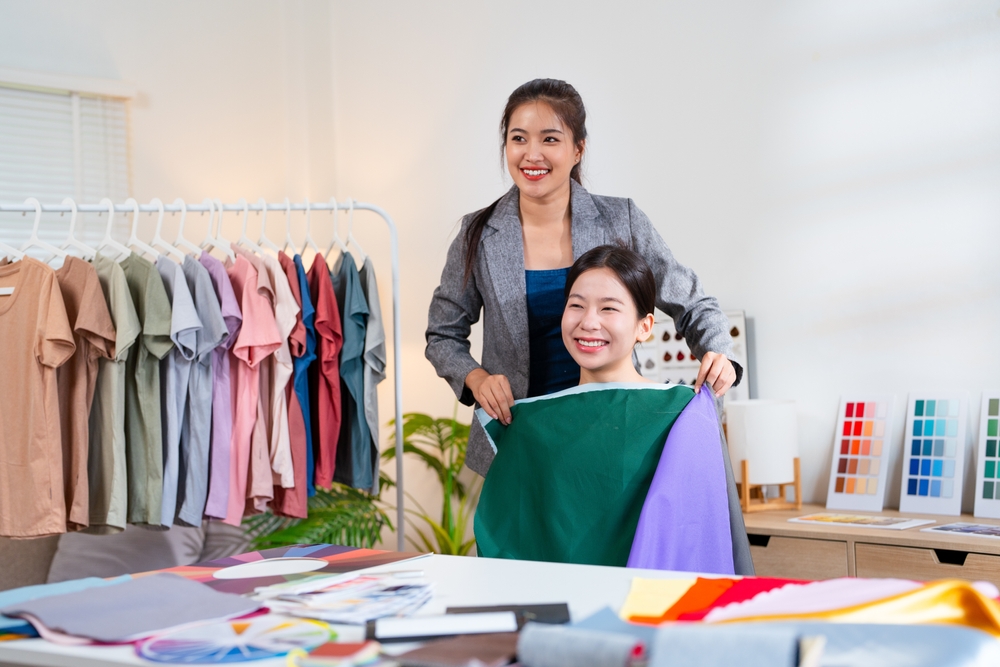
One of the biggest fashion trends over the past few years has been professional color analysis.
Rather than copying celebrity outfits, people are discovering which colors naturally brighten their complexion and make them feel more confident.
Many consultants say clients often seek color analysis during major life transitions, including:
- Starting a new career
- Becoming a parent
- Recovering after a breakup
- Entering a new chapter in life
For many, refreshing their wardrobe becomes part of rebuilding confidence.
Astrology Is Becoming a Fashion Mood Board
Astrology has moved well beyond daily horoscopes.
Today, some stylists use birth charts as creative inspiration when helping clients define their personal style. They may look at placements like a person’s rising sign or Venus sign to inspire colors, silhouettes, accessories, or overall fashion energy.
Rather than predicting what someone should wear, these interpretations often serve as a creative framework that encourages self-reflection and experimentation.
Whether someone fully believes in astrology or simply enjoys it as inspiration, many find that it helps them think differently about self-expression.
Spiritual Fashion Is Trending Too
Another unexpected trend is the growing interest in spiritual styling.
Across social media, creators discuss topics such as:
- Choosing natural fabrics over synthetic materials.
- Using crystals or pendulums for personal guidance.
- Cleansing secondhand clothing.
- Wearing colors associated with specific energies.
These practices are based on personal spiritual beliefs rather than scientific evidence. However, many people say these rituals make getting dressed feel more intentional and meaningful.
Why People Want More Meaning in Their Wardrobes
Fashion has always reflected culture, and times of uncertainty often change the way people shop.
Economic pressures, global events, workplace changes, and digital overload have encouraged many people to slow down and become more intentional with their clothing choices.
Instead of buying five trendy outfits they’ll only wear once, many shoppers are investing in pieces that feel timeless and genuinely represent who they are.
That shift isn’t just good for personal confidence—it can also support more mindful shopping habits.
The Rise of Human Advice Over Algorithms
Artificial intelligence can recommend outfits based on previous purchases or trending styles.
But many people still crave advice that feels personal.
Whether that comes from a stylist, a trusted friend, a color consultant, or even astrology, people increasingly want recommendations that feel tailored to their individuality rather than generated solely by an algorithm.
Fashion is becoming less about fitting into predefined aesthetics and more about discovering what already feels authentic.
Does Your Style Have to Be Predestined?
Probably not.
There is no scientific evidence that astrology, crystals, pendulums, or other mystical practices determine someone’s fashion choices. However, many people find these systems useful as creative tools for self-discovery rather than literal predictions.
The real value may lie in the questions they encourage people to ask:
- What colors make me feel confident?
- Which clothes feel comfortable?
- What reflects my personality?
- Which trends actually fit my lifestyle?
Answering those questions often leads to a wardrobe that’s far more satisfying than simply following whatever is trending online.
The Bottom Line
Whether you discover your style through color analysis, body typing, astrology, or simply years of trial and error, the destination is the same: wearing clothes that feel like you.
Fashion in 2026 is becoming less about copying viral aesthetics and more about embracing individuality. While mystical styling methods continue gaining attention online, their greatest contribution may simply be encouraging people to slow down, trust their instincts, and build wardrobes that reflect their own identity.
After all, the best-dressed person in any room is rarely the one wearing every trend—it’s the one who looks completely comfortable being themselves.