Credit: Shutterstock
If you’ve ever dreamed of standing in a vast wilderness with nothing but wind, wildlife, and your own footsteps for company, you’re not alone. While millions flock to iconic parks each year, there’s a quieter side to America’s natural beauty—places where solitude isn’t rare, it’s the norm.
Since the creation of the National Park Service in 1916, more than 400 protected areas have been established across the United States. Among the 63 official national parks, a handful remain wonderfully under the radar. These are the places where you can trade traffic jams for starry skies and crowded viewpoints for untouched landscapes.
Here are 10 of the least-visited U.S. national parks—perfect for travelers who want adventure without the crowds.
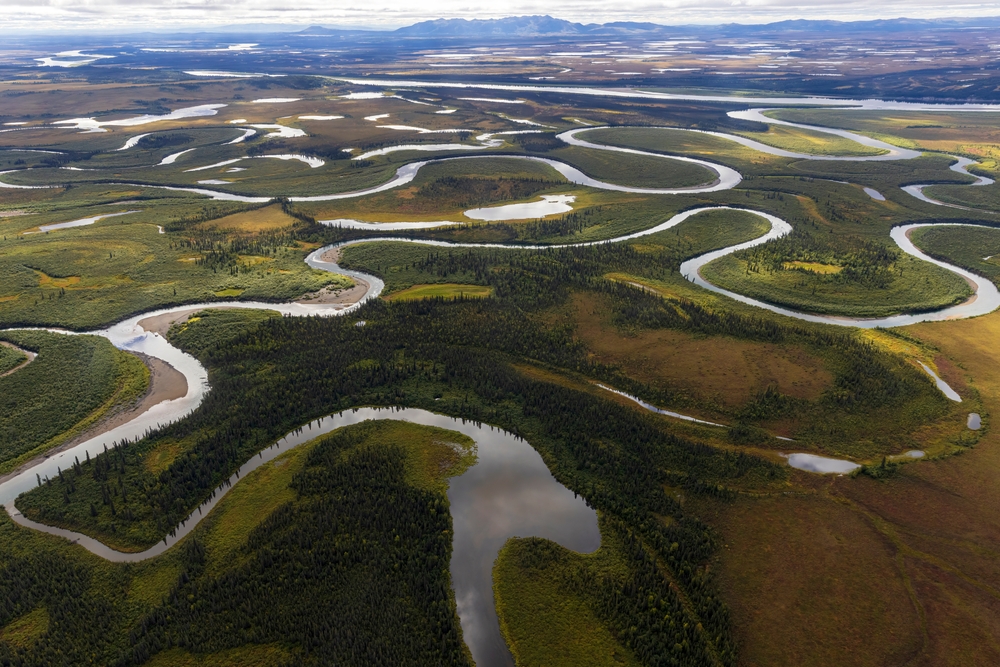
1. Kobuk Valley National Park
Credit: Shutterstock
With fewer than 8,000 visitors a year, Kobuk Valley is the least-visited national park in the country. Its surreal sand dunes—formed during the Ice Age—contrast with the Arctic setting. Add in massive caribou migrations and deep Indigenous heritage, and you have a place that feels almost untouched by time.
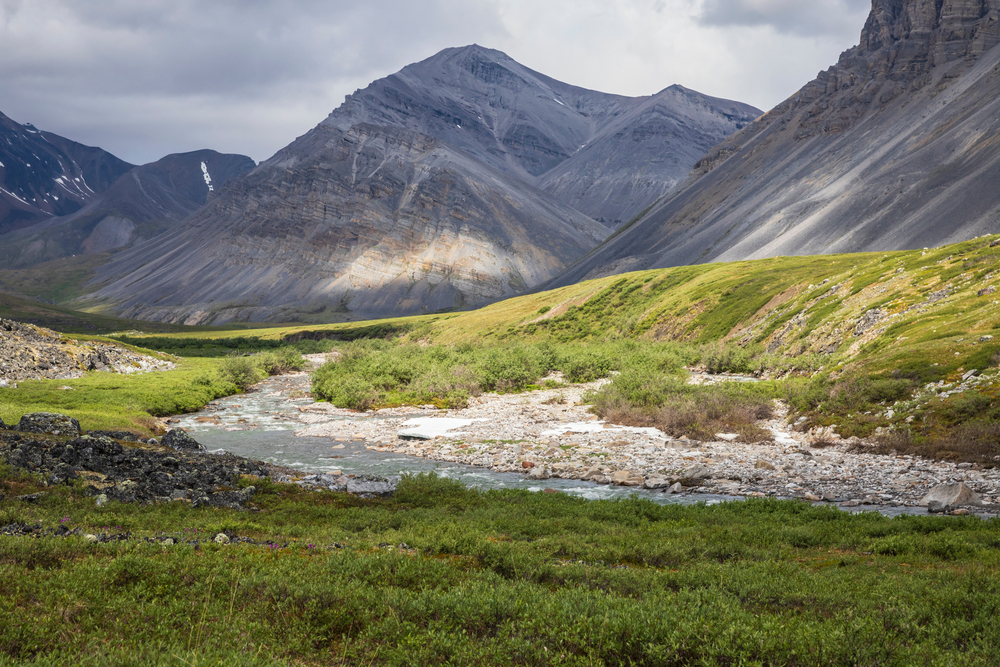
2. Gates of the Arctic National Park and Preserve
Credit: Shutterstock
No roads, no trails, no crowds—just pure Arctic wilderness. Located in the Brooks Range, this park is one of the most remote places in the U.S. Visitors come prepared for true backcountry exploration, where nature sets the rules.
3. Lake Clark National Park and Preserve
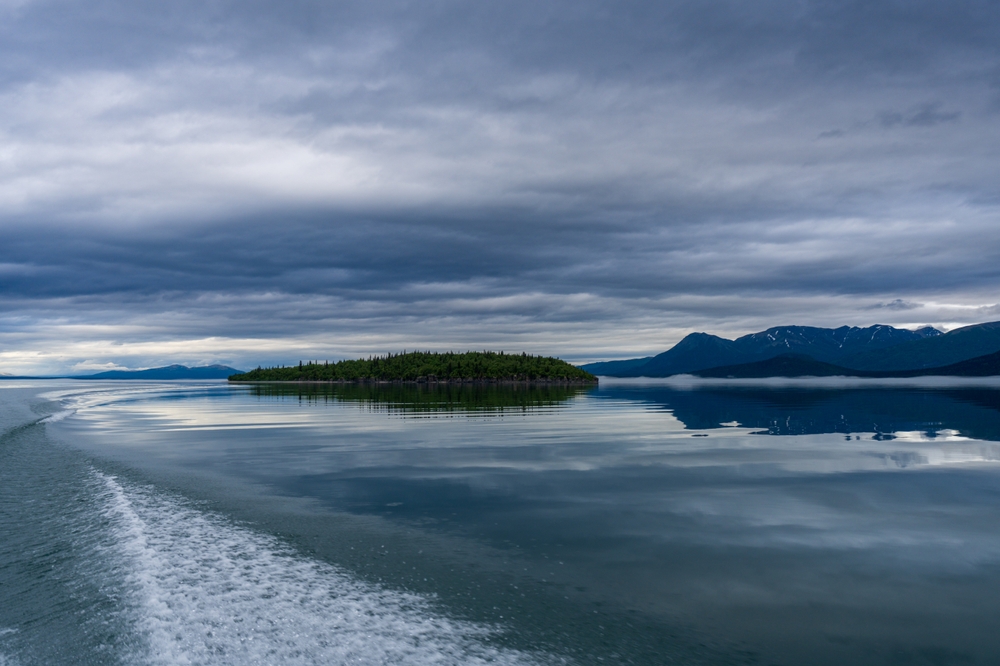
Credit: Shutterstock
Often called an adventurer’s paradise, Lake Clark offers everything from volcanoes to wild rivers. It’s also a prime spot for bear viewing and home to the historic cabin of wilderness icon Richard Proenneke. This is Alaska at its raw, untouched best.
4. Isle Royale National Park
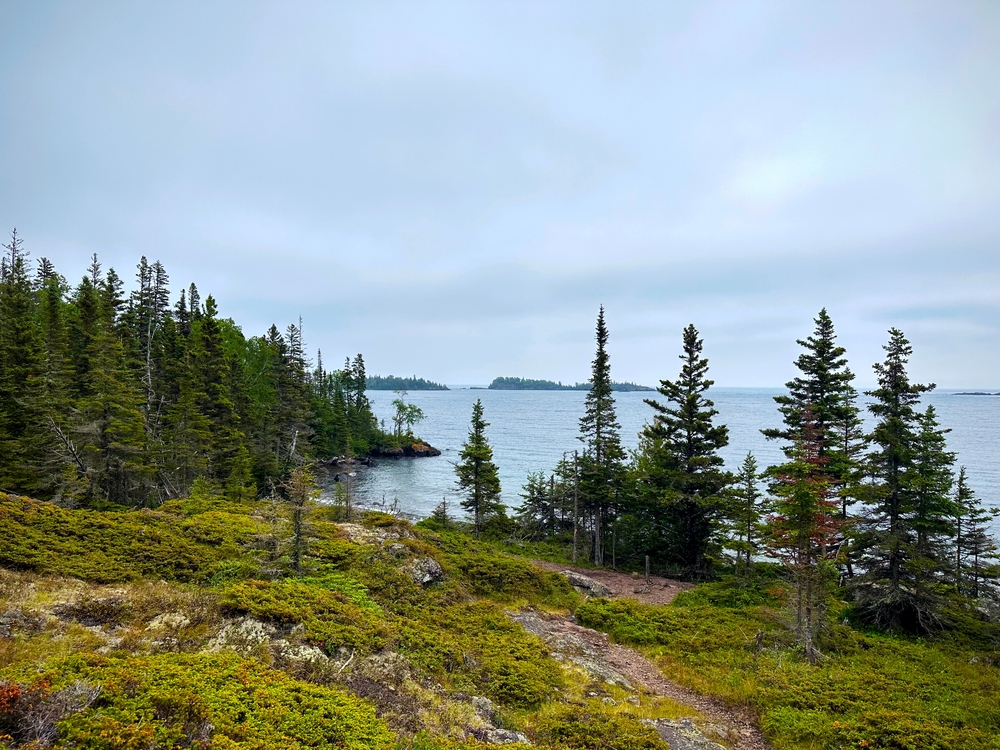
Credit: Shutterstock
Floating in Lake Superior, this island park is accessible only by boat or seaplane. Its isolation makes it a haven for hikers, kayakers, and researchers studying the fascinating wolf-moose dynamic. With shipwrecks and historic lighthouses, it blends nature with maritime history.
5. Katmai National Park and Preserve
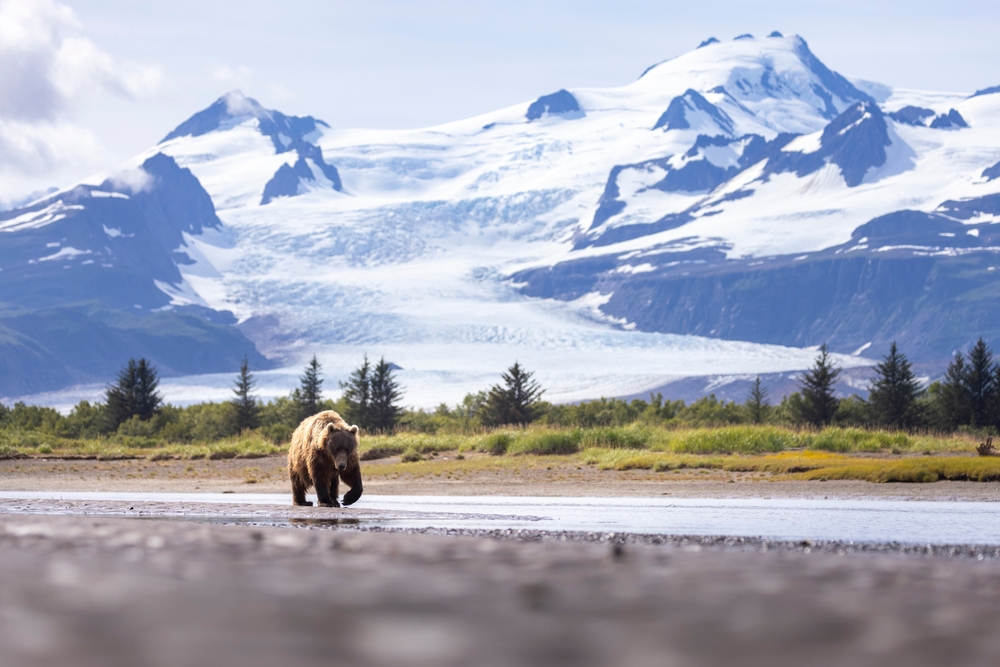
Credit: Shutterstock
Famous for its brown bears—especially during salmon runs—Katmai is a dream for wildlife lovers. But beyond the bears lies a dramatic volcanic landscape with 14 active volcanoes. Remote and rugged, it’s ideal for true wilderness adventures.
6. National Park of American Samoa
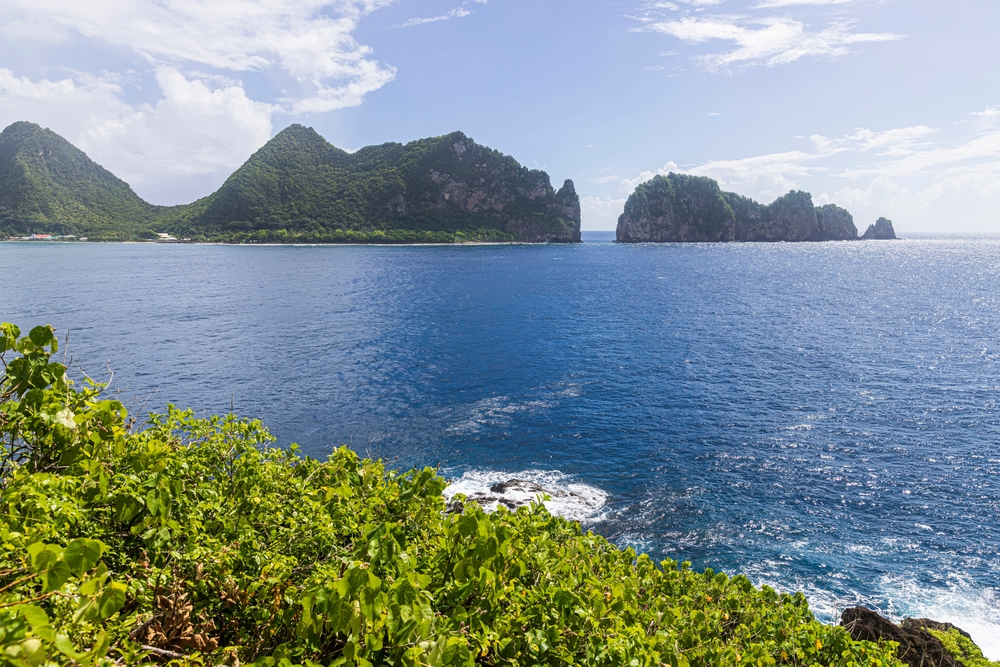
Credit: Shutterstock
Far from the mainland, this park blends lush rainforests with vibrant coral reefs. It’s as much about culture as it is about nature, offering a glimpse into traditional Samoan life. Expect colorful marine biodiversity, fruit bats, and landscapes that feel worlds away.
7. North Cascades National Park
Credit: Shutterstock
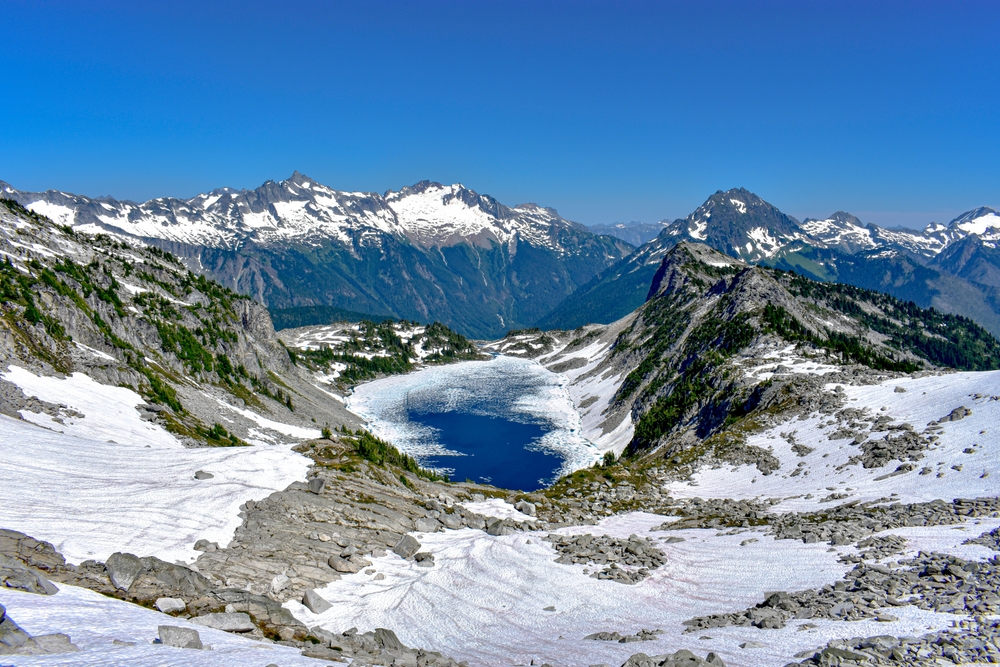
Nicknamed the “American Alps,” this park boasts jagged peaks, cascading waterfalls, and over 300 glaciers—the most in the lower 48 states. Despite its beauty, it remains blissfully uncrowded. Hikers especially love its connections to the Pacific Crest Trail.
8. Dry Tortugas National Park
Credit: Shutterstock
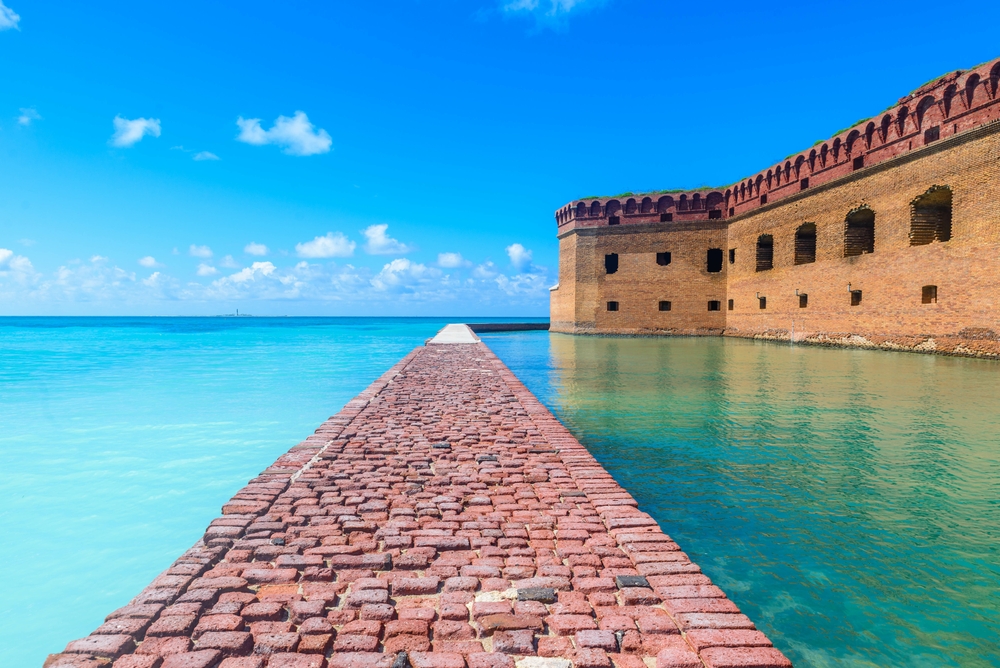
Accessible only by boat or seaplane, this remote park sits 70 miles west of Key West. Most of it is open water, but the highlight is Fort Jefferson, a massive 19th-century coastal fortress. Snorkeling, birdwatching, and turquoise waters make this a tropical escape with a twist of history.
9. Wrangell-St. Elias National Park and Preserve
Credit: Shutterstock
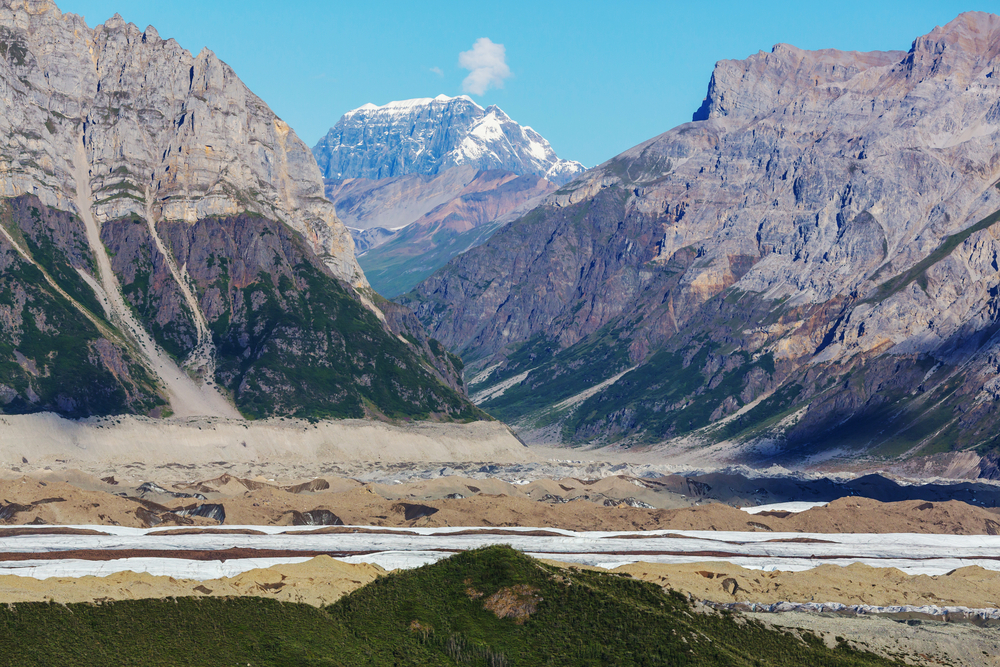
This is the giant of U.S. national parks—and yet, one of the least visited. Imagine massive glaciers, towering peaks, and entire valleys where you might not see another person all day. It’s also culturally rich, home to Indigenous communities like the Ahtna and Tlingit. If you want scale and solitude, this is it.
10. Great Basin National Park
Credit: Shutterstock
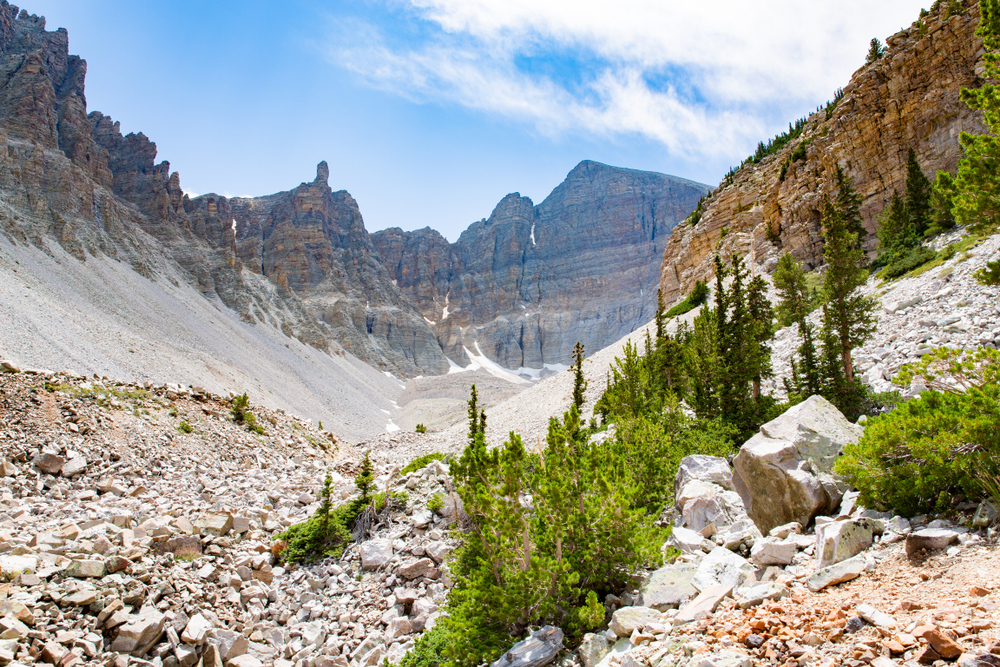
Tucked away in eastern Nevada, this park is a hidden gem that surprises almost everyone who visits. Ancient bristlecone pines—some thousands of years old—dot the landscape, while the marble chambers of Lehman Caves invite exploration below ground. Add in pristine dark skies and the hike up Wheeler Peak (home to Nevada’s last glacier), and you’ve got a park that quietly delivers big.
Why Go Where Fewer People Do?
In a world where travel hotspots are often crowded and fast-paced, these parks offer something rare: space to breathe, explore, and truly connect with nature. Whether it’s watching bears in Alaska or stargazing in Nevada, the experience feels more personal—more yours.
So if you’re planning your next adventure, consider skipping the busiest parks. The road less traveled might just lead to your most unforgettable journey.