
Credit: Shutterstock
More than 30 years ago, a simple idea about love quietly made its way into bookstores—and then into everyday conversations. That idea came from The 5 Love Languages, a book by Gary Chapman, PhD, first published in 1992. Since then, “love languages” have become a popular way to talk about how we give and receive love, whether in romantic relationships, friendships, families, or even with ourselves.
So what exactly are love languages, and why do people find them so helpful? Let’s break it down in a warm, easy-to-understand way—and explore how you can start practicing yours today.
What Are Love Languages, Anyway?
The basic idea behind the five love languages is this: everyone expresses and experiences love differently. While we can appreciate many forms of affection, most of us have one primary “language” that makes us feel especially loved and understood.
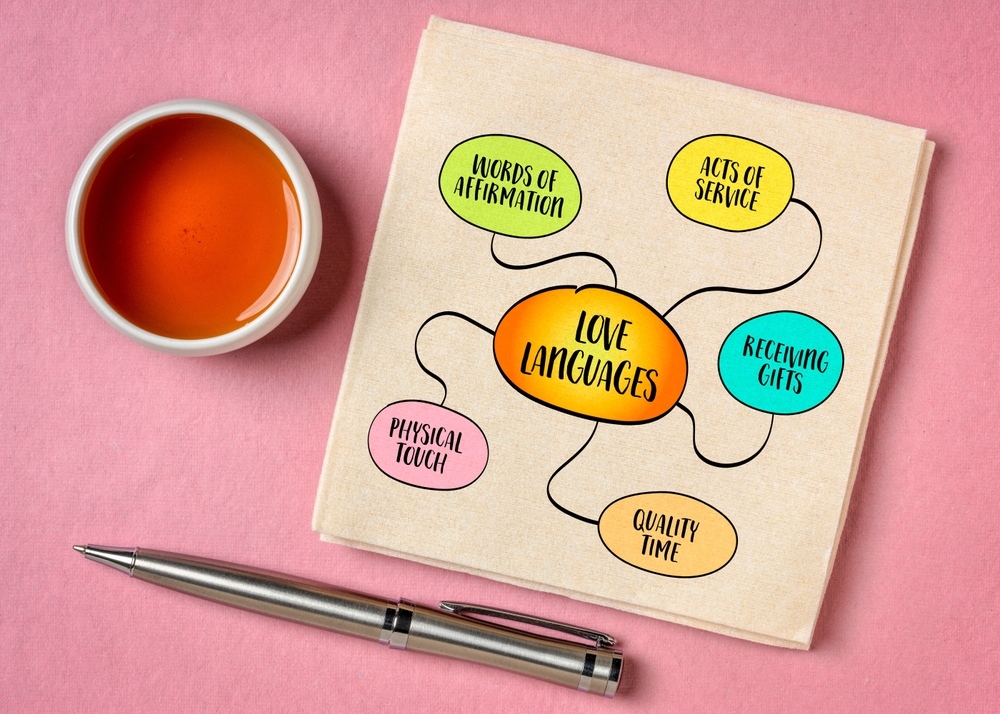
According to Chapman’s framework, these preferences fall into five categories:
-
Gifts
-
Acts of Service
-
Words of Affirmation
-
Quality Time
-
Physical Touch
Learning your own love language—and your partner’s—can help reduce misunderstandings, improve communication, and deepen emotional connection. After all, love is best received when it’s expressed in a way that truly resonates.
A Quick Look at the Five Love Languages
1. Gifts
For people who value gifts, it’s not about price tags—it’s about thoughtfulness. A small surprise, a handwritten note, or a meaningful keepsake can say, “I was thinking about you.” Giving and receiving gifts feels like a tangible symbol of love.
How to practice it:
Pick up their favorite snack, create a personalized playlist, or frame a special photo you share.
2. Acts of Service
If this is your love language, actions really do speak louder than words. Doing helpful, thoughtful things—like running errands, cooking a meal, or taking care of chores—feels deeply loving.
How to practice it:
Brew their morning coffee, make dinner plans, or take something off their to-do list without being asked.
3. Words of Affirmation
Kind words are everything here. Compliments, encouragement, gratitude, and verbal appreciation are powerful expressions of love for people who value affirmation.
How to practice it:
Offer sincere praise, send a thoughtful text, or simply say “I appreciate you” more often.
4. Quality Time
For this love language, undivided attention matters most. Shared experiences, deep conversations, and being fully present help create emotional closeness.
How to practice it:
Put your phone away, plan a date night, go for a walk together, or try a new activity as a team.
5. Physical Touch
Physical connection—like hugs, hand-holding, cuddling, or intimacy—is central for those who speak this language. Touch helps them feel safe, connected, and loved.
How to practice it:
Hold hands, greet each other with a hug, cuddle during a movie, or offer a relaxing massage.
How to Figure Out Your Love Language
Not sure which love language is yours? Start by noticing patterns. How do you usually show love to others? What makes you feel most appreciated by your partner?
For example:
-
Do compliments and kind words mean everything to you?
-
Do you feel closest when spending uninterrupted time together?
-
Does a thoughtful favor make your heart melt?
You can also take Gary Chapman’s love language quiz, which many counselors recommend as a helpful starting point for couples.
Interestingly, studies and surveys don’t agree on which love language is the most common—some suggest quality time, while others point to words of affirmation. The truth is, there’s no “right” one. Yours is simply the one that speaks loudest to you.
The Pros and Cons of Love Languages
Many people find love languages useful because they encourage intention and empathy. Couples who consciously express love in ways their partners appreciate often report greater relationship satisfaction and more positive interactions.
That said, love languages aren’t a cure-all. They don’t replace honest communication or resolve deep conflicts on their own. The framework also reflects a specific cultural and religious perspective and may not fully represent every type of relationship.
Think of love languages as a helpful tool—not a magic fix.
Using Love Languages Beyond Romance
Love languages aren’t just for couples. They can enrich friendships, family bonds, and even workplace relationships.
Notice how people around you show care. A friend who plans get-togethers might appreciate quality time. A coworker who brings you coffee may value gifts or acts of service. Matching their style is a simple way to strengthen connections.
Turning Love Languages Into Self-Care
Here’s something people often overlook: you can use your love language on yourself.
If your language is:
-
Gifts: Treat yourself to something special or an experience you’ve been craving.
-
Acts of Service: Organize your space, prep meals, or outsource tasks that stress you out.
-
Words of Affirmation: Write yourself encouraging notes or keep a gratitude journal.
-
Quality Time: Take yourself on a solo date or dive into a hobby you love.
-
Physical Touch: Enjoy a bubble bath, wear cozy clothes, or give yourself a relaxing massage.
Practicing self-love in a way that feels natural to you can boost well-being and make it easier to show up fully for others.
Final Thoughts
The five love languages—gifts, acts of service, words of affirmation, quality time, and physical touch—offer a simple way to better understand how love is expressed and received. While the theory isn’t backed by extensive scientific research, many people find it valuable for building stronger, more intentional relationships.
Whether you’re nurturing a romantic partnership, deepening friendships, or focusing on self-care, learning to “speak” love more fluently can make everyday connections feel richer, warmer, and more meaningful.