Credit: Shutterstock
Sit-ups are a classic go-to for strengthening your abs, but sometimes that satisfying burn in your stomach can turn into an uncomfortable—or even alarming—pain. Understanding why your stomach hurts during or after sit-ups can help you exercise safely, avoid injury, and recover faster.
Muscle Strain: When Your Abs Are Overworked
A muscle strain happens when the fibers in your abdominal muscles are overstretched or slightly torn. This usually occurs due to overdoing your workouts or using improper form. Unlike normal workout soreness, a strain often feels sharper during movements like coughing, laughing, or getting up from a chair. You might also notice swelling, stiffness, or bruising.
What to do:
- Rest and avoid activities that worsen the pain.
- Apply ice for 15–20 minutes every hour for the first few hours.
- If pain persists beyond a few days, see a doctor.
Prevention:
- Warm up and stretch your abs before exercising.
- Build your core strength gradually.
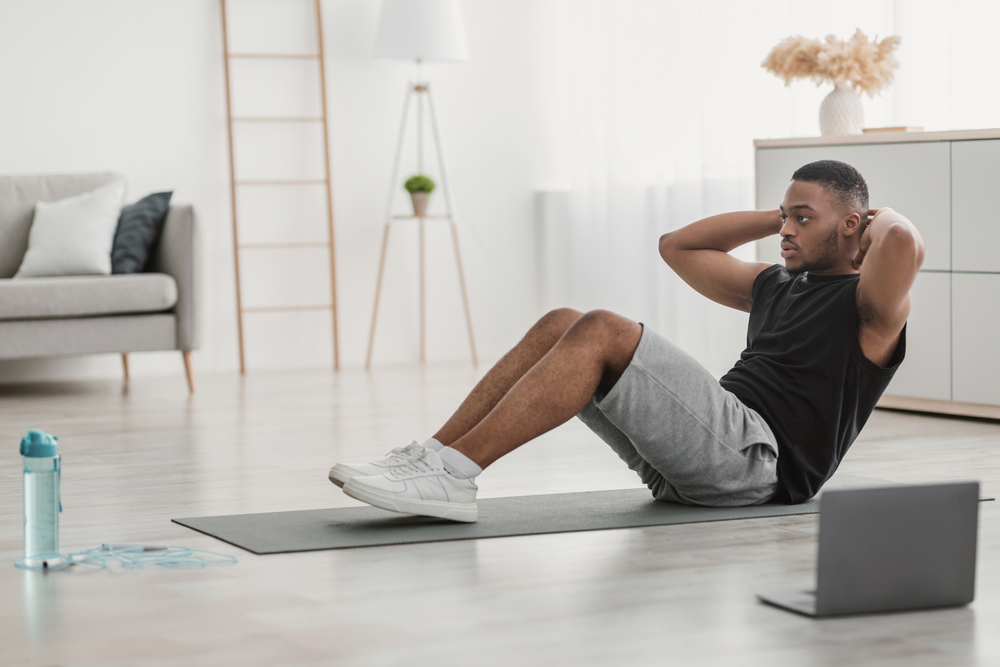
- Focus on proper sit-up technique to avoid overloading your muscles.
Muscle Cramps: Sudden Spasms That Surprise You
Cramps are involuntary, painful contractions that can strike anywhere in your abdominal area, often near the ribs. They can last from a few seconds to several minutes, leaving your abs tender afterward. Factors like dehydration, low electrolytes, eating too soon before exercise, and muscle fatigue can trigger these cramps.
How to relieve cramps:
- Stop exercising immediately.
- Massage and gently stretch the affected area until the cramp eases.
Prevention tips:
- Stay hydrated before and during workouts.
- Avoid intense workouts when overheated or fatigued.
- Stretch and maintain flexibility regularly.
Digestive Issues: When Your Gut Gets Involved
Sometimes, stomach pain isn’t from your muscles at all—it’s your digestive system. Foods you’re sensitive to, gas, bloating, or irritants like caffeine, alcohol, and aspirin can cause discomfort. Underlying conditions such as gastritis, ulcers, or irritable bowel syndrome may also flare up during sit-ups.
What to do:
- Identify and limit foods that trigger your symptoms. Common culprits include dairy, beans, wheat, and high-fiber vegetables.
- If pain persists or comes with other symptoms like nausea, bloating, or blood in stool, consult your doctor.
Delayed-Onset Muscle Soreness: The Post-Workout Reminder
Feeling sore a day or two after a workout? That’s likely delayed-onset muscle soreness (DOMS), a normal response when your muscles adjust to new or intense activity. It usually resolves on its own but can be uncomfortable.
Relief strategies:
- Massage the area to increase blood flow and reduce tension.
- Apply heat via a heating pad, hot bath, or sauna to relax sore muscles.
- Keep moving gently to maintain flexibility without overexerting.
Key Takeaways for Pain-Free Sit-Ups
- Form matters: Poor technique is a leading cause of abdominal pain.
- Hydrate and rest: Dehydration and inadequate recovery increase cramps and soreness.
- Listen to your body: Sharp, persistent, or worsening pain should never be ignored—seek medical advice if necessary.
By understanding the difference between normal workout soreness and warning signs of injury or digestive issues, you can keep your core workouts safe, effective, and even enjoyable. Your abs will thank you!