

Japanese Walking Could Be the Simple Workout Your Routine Is Missing
You don’t need a gym membership, complicated equipment, or a long workout routine to make walking more challenging. A simple technique called Japanese walking, also known as interval walking, can turn an ordinary walk into a more purposeful cardio workout. The idea is surprisingly simple: alternate between a few minutes of brisk walking and a few minutes of slower walking. The changes in pace encourage your body to work harder during the faster intervals while giving you enough recovery time to keep going. Walking already has plenty of benefits, from supporting cardiovascular health and stronger muscles to helping with...

Why a Five-Minute Walk Every Hour Is Worth Your Time?
Have you ever looked up from your computer only to realize you’ve been sitting for hours without moving? Whether you’re working from home, spending long days at the office, or binge-watching your favorite series, prolonged sitting has quietly become part of modern life. The good news is that you don’t need an intense workout to start undoing some of its effects. New research suggests that taking a five-minute walk every hour could be one of the easiest and most effective habits for improving your energy, mood, and even your productivity throughout the day. It’s a simple routine that almost...
How Often Should You Really Do HIIT for the Best Results?
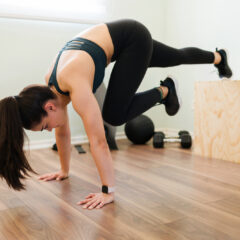
High-Intensity Interval Training (HIIT) has become one of the most popular workout styles for people who want to get fit without spending hours at the gym. With short bursts of intense exercise followed by brief recovery periods, HIIT offers impressive health benefits in a fraction of the time required by traditional workouts. But while HIIT is incredibly effective, more isn’t always better. Doing these intense sessions every day can leave you feeling exhausted instead of energized. So, how many HIIT workouts should you actually do each week? Here’s what you need to know. Why HIIT Is So Effective HIIT...
How to Do a Squat Properly and Why It’s Good for You?
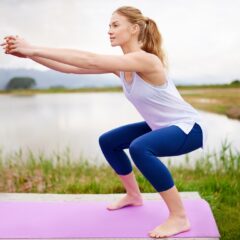
If there’s one exercise that deserves a permanent spot in almost every fitness routine, it’s the squat. Simple, effective, and requiring little to no equipment, squats help build lower-body strength while making everyday movements easier and more comfortable. From picking up a dropped item to sitting down in a chair or reaching for groceries on a lower shelf, squats mimic many of the motions we perform daily. The best part? They offer benefits that go far beyond stronger legs. Why Squats Are So Effective Squats are considered one of the most functional exercises because they train multiple muscle groups...

Walk Your Way to Lasting Weight Loss
Losing weight is often challenging, but keeping it off can be even harder. Many people successfully shed pounds only to find themselves gradually regaining the weight months or years later. Now, new research suggests that a simple daily habit could make a significant difference: walking around 8,500 steps a day. Presented at the 2026 European Congress on Obesity, the study highlights how maintaining a consistent walking routine may help people preserve their weight-loss results over the long term. The findings offer encouraging news for anyone looking for a practical, affordable, and sustainable way to support a healthier lifestyle. Why...