
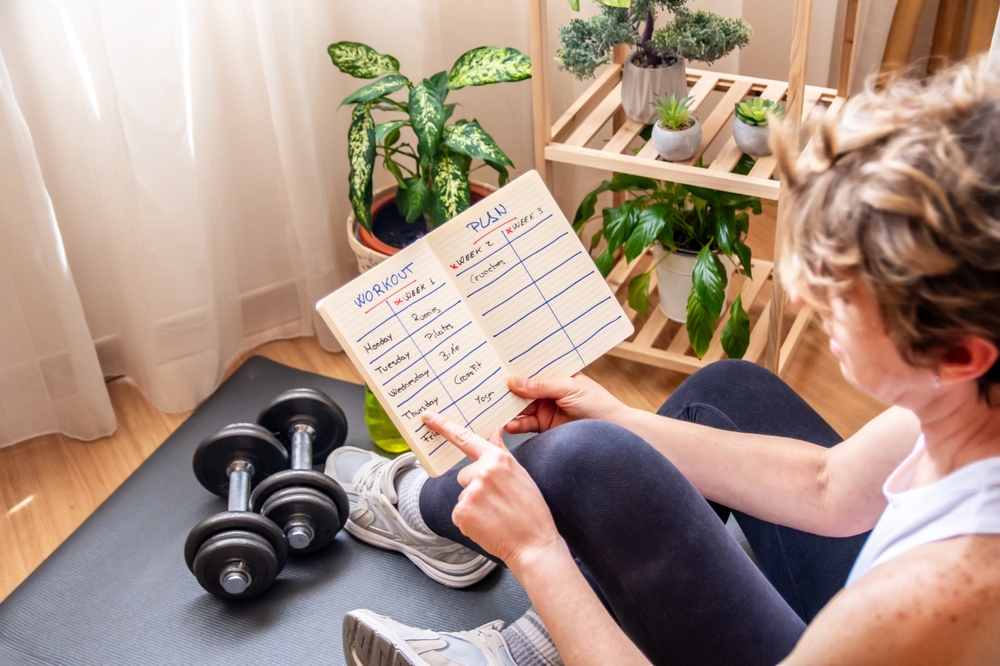
Credit: Shutterstock
Creating an exercise plan doesn’t have to feel like solving a complicated puzzle. In fact, the best routine is one that fits your lifestyle, keeps you motivated, and supports your overall health. The secret? Variety, balance, and a little bit of consistency.
Let’s break it down into something simple, practical, and even enjoyable.
Why One Type of Exercise Isn’t Enough
Imagine eating only one type of food every day—even if it’s healthy. You’d miss out on essential nutrients, right? Exercise works the same way. Relying on just one activity, like running or lifting weights, won’t give your body everything it needs.
A well-rounded fitness plan blends different types of exercise to improve endurance, strength, flexibility, and balance. This combination not only boosts results but also keeps boredom away.
What a Balanced Exercise Plan Looks Like?
A good weekly plan includes three main elements:
1. Cardio (Aerobic Exercise)
This is anything that gets your heart pumping and your breathing faster. Think brisk walking, cycling, swimming, or jogging.
-
Aim for about 150 minutes of moderate activity per week (like 30 minutes, five days a week),
or -
75 minutes of more intense activity
Short on time? No problem. You can split it into smaller sessions—three 10-minute walks still count!
2. Strength Training
This helps build muscle, strengthen bones, and make everyday tasks easier.
-
Do strength exercises at least twice a week
-
Target major muscle groups: legs, back, chest, arms, shoulders, and core
-
Allow 48 hours of rest between working the same muscles
You don’t need a gym. Bodyweight exercises, resistance bands, or simple dumbbells can do the job.
3. Balance and Flexibility
Often overlooked, but incredibly important—especially as we age.
Activities like yoga, stretching, or tai chi can:
-
Improve stability
-
Reduce risk of falls
-
Enhance overall mobility
Even a few sessions a week can make a big difference.
Don’t Skip Warm-Ups and Cool-Downs
Before jumping into your workout, spend 5 minutes warming up. This could be light walking or marching in place to get your blood flowing.
After your workout, cool down by slowing your pace and stretching. It helps prevent stiffness and reduces the chance of injury.
Getting Started Without Feeling Overwhelmed
Starting is often the hardest part, so keep it simple:
-
Begin with activities you already enjoy
-
Set small, realistic goals
-
Focus on consistency, not perfection
For example, walking is one of the easiest ways to begin. It’s gentle on the joints, requires no special skills, and can be done almost anywhere.
Tips to Make Your Routine Stick
-
Mix it up: Rotate activities to avoid boredom
-
Listen to your body: Rest when needed
-
Focus on form: Proper technique matters more than heavy weights
-
Breathe properly: Don’t hold your breath during exercises
-
Challenge yourself gradually: Increase intensity over time
A Sample Simple Weekly Plan
Here’s an easy way to structure your week:
-
Monday: Brisk walk (30 minutes) + light strength training
-
Tuesday: Stretching or yoga
-
Wednesday: Cardio (cycling or jogging)
-
Thursday: Strength training
-
Friday: Walking + balance exercises
-
Weekend: Active fun (sports, hiking, or rest)
Final Thoughts
Building an exercise plan isn’t about being perfect—it’s about creating something you can stick with. When your routine includes variety, fits your schedule, and feels enjoyable, it becomes a habit rather than a chore.
Start small, stay consistent, and remember: every bit of movement counts.