
Credit: Shutterstock
Birthdays are supposed to be all about celebrating one special person—but in many families, another question quietly steals the spotlight: Should siblings get gifts too? While handing a small present to a brother or sister may seem like an easy way to avoid tears and tantrums, child development experts say it may not always be the best long-term solution.
Instead of focusing on making every child equally happy in the moment, birthdays can become valuable opportunities to teach patience, empathy, and emotional resilience. Here’s why many parents are rethinking the growing trend of “sibling gifts.”
Why Some Parents Buy Gifts for Siblings
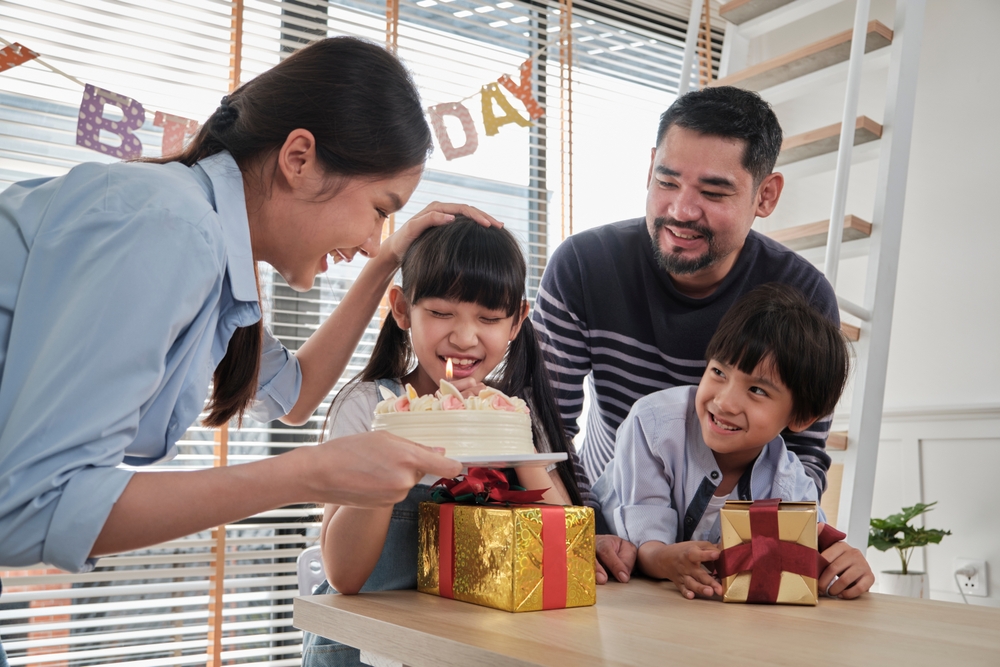
Picture this: One child is opening colorful presents while their younger sibling watches from the sidelines, struggling to hide disappointment. For many parents, handing the other child a small gift feels like a quick fix that keeps the peace.
According to child psychology experts, this is usually done with good intentions. Parents often want to reduce conflict, make everyone feel included, or simply avoid an emotional meltdown during what should be a joyful celebration.
Some families also believe it creates a sense of fairness, especially when younger children have difficulty understanding why only one sibling receives gifts.
The Hidden Downside of Sibling Gifts
Although sibling gifts may calm emotions in the short term, experts warn they can unintentionally create unrealistic expectations.
If children receive presents every time someone else has a birthday, they may begin to assume every celebration should include them. Over time, this can make it harder for them to accept that not every event revolves around their own wants.
Learning to cope with disappointment is a normal and healthy part of childhood. Experts emphasize that feeling jealous or left out for a short period isn’t harmful—it actually helps children develop important emotional skills they’ll use throughout life.
Birthdays Can Teach Valuable Life Lessons
Instead of viewing birthday jealousy as something to eliminate, many child development professionals see it as a chance for growth.
When children experience a sibling’s special day without receiving gifts themselves, they have the opportunity to practice:
- Patience while waiting for their own celebration.
- Delayed gratification instead of expecting instant rewards.
- Empathy by feeling happy for someone else’s excitement.
- Self-control when emotions become overwhelming.
- Appreciation for celebrating others without needing something in return.
These experiences prepare children for everyday situations they’ll encounter at school, with friends, and later in adulthood.
Helping Siblings Feel Included Without Buying Gifts
Fortunately, children don’t need presents to feel like they’re part of the celebration.
Parents can involve siblings in meaningful ways that help them feel important while keeping the focus on the birthday child.
Some simple ideas include:
- Helping decorate the party space.
- Choosing wrapping paper or birthday cards.
- Assisting with baking or preparing snacks.
- Passing out party favors.
- Taking photos during the celebration.
- Helping set up games or activities.
These small responsibilities allow siblings to contribute while also teaching the joy of giving rather than receiving.
Acknowledge Their Feelings
If a child becomes upset during a sibling’s birthday, experts recommend responding with empathy instead of immediately offering a reward.
Rather than dismissing their emotions, parents can acknowledge that it’s difficult to watch someone else receive presents and attention.
Simple reassurance—such as reminding them they’ll have their own special birthday—helps children feel understood while still reinforcing that today belongs to someone else.
Validating emotions without giving in teaches children that it’s okay to feel disappointed and that those feelings eventually pass.
What If Grandparents or Relatives Bring Extra Gifts?
Sometimes the sibling-gift tradition begins with well-meaning relatives rather than parents.
If you’d rather avoid this practice, experts recommend having a friendly conversation before the birthday arrives. Explain that your family is trying to teach each child that everyone gets their own special day, and you’d appreciate keeping the focus on the birthday child.
Most relatives are happy to respect those wishes once they understand the reason behind them.
The Same Lesson Applies at Friends’ Birthday Parties
Many parents have experienced taking one child shopping for a classmate’s birthday, only to hear, “Can I get something too?”
Experts say this is another valuable teaching moment.
Shopping for someone else’s gift helps children learn generosity and reinforces the idea that birthdays are about celebrating another person—not collecting something for themselves.
Every Family Is Different
There isn’t a universal rule that works for every household. Children’s personalities, ages, and emotional development all play a role in how families choose to celebrate birthdays.
Some younger children may need extra reassurance during the early years, while others naturally enjoy celebrating their siblings without expecting anything in return.
The important goal isn’t creating a perfectly tear-free birthday—it’s helping children gradually develop the emotional skills they’ll rely on throughout life.
The Bottom Line
While sibling gifts may seem like a harmless tradition, experts suggest they aren’t necessary for raising emotionally secure children. In fact, allowing kids to experience occasional disappointment can help them become more patient, empathetic, and resilient.
By involving siblings in meaningful ways, validating their emotions, and reminding them that everyone gets their own special day, parents can turn birthdays into lessons about kindness, generosity, and celebrating others.
In the end, the greatest gift children can receive may not come wrapped in paper at all—it may be learning that love isn’t measured by the number of presents under the birthday table.