
Credit: Shutterstock
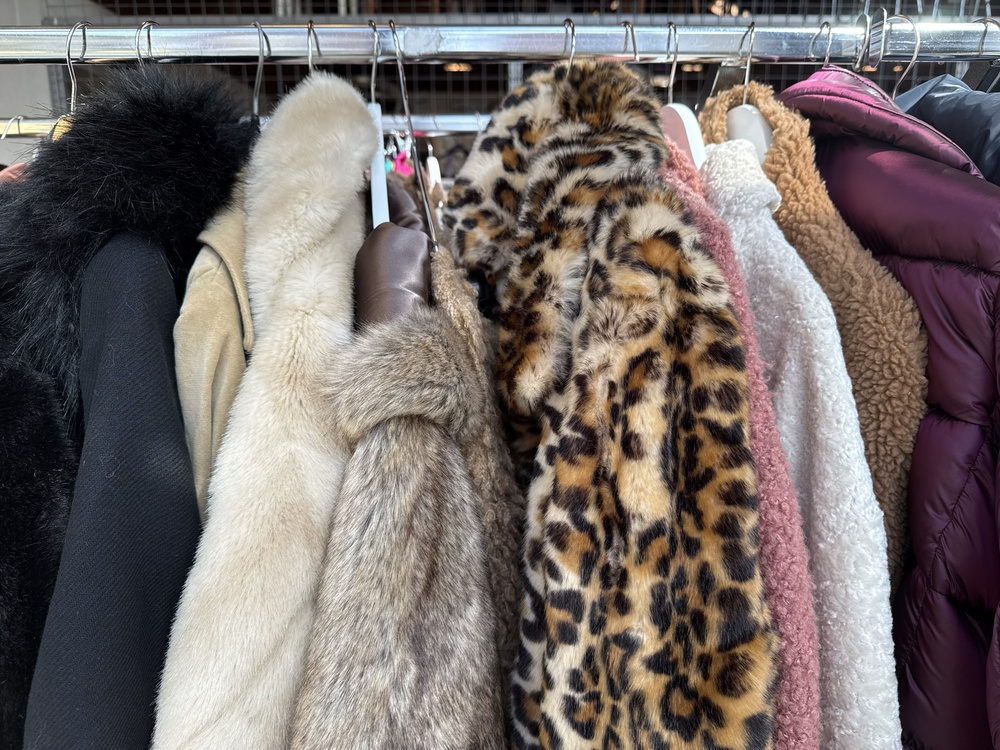
Faux fur is having a stylish moment this fall, appearing on everything from cozy coats and over-sized collars to fluffy cuffs, scarves, and statement accessories. It is an easy way to add texture, warmth, and a touch of luxury to your autumn wardrobe without committing to a head-to-toe fuzzy look.
But there is a catch. While well-made faux fur can look elegant and expensive, the wrong fabric, an overly glossy finish, or poorly constructed seams can make even a fashionable outfit look less polished. The good news is that you do not need a designer budget to find a beautiful piece. You just need to know what to look for before adding it to your closet.
Fashion experts have long emphasized the importance of fabric quality, texture, and construction when shopping for faux fur. Hester Moore, who leads the Devon-based luxury faux fur brand Helen Moore, offers useful insights into what separates a well-made piece from one that might not stand the test of time.
Her advice comes down to seven telltale warning signs. Whether you are shopping for a new winter coat or a trendy faux fur scarf, these tips can help you make a smarter purchase.
1. The Fur Feels Stiff or Scratchy
One of the easiest ways to judge faux fur is to touch it. A quality piece should feel soft, flexible, and pleasant against your skin. If the fibers feel rough, stiff, or almost plastic-like, the material may not have the texture you want.
Poor-quality fibers can also become tangled or matted after repeated wear, making a coat or accessory look worn out much sooner than expected.
When shopping in person, gently run your fingers through the fur and rub a small section between your hands. The fibers should move naturally and return to their original appearance without forming clumps.
Do not judge a piece by softness alone, though. Some faux fur fabrics are intentionally short or textured, so the goal is to find a finish that feels consistent with the garment’s design.
Style tip: If you want a luxurious look without spending a fortune, try a soft faux fur collar, a plush scarf, or a jacket with furry cuffs. Smaller pieces let you experiment with the trend without investing in a full coat.
2. The Fabric Backing Is Easy to See
Another red flag is visible backing. Faux fur is made by attaching synthetic fibers to a base fabric, and that backing should generally remain hidden when the material is worn or gently moved.
If the fibers are sparse enough that you can easily see the base underneath, the piece may lack the fullness needed for a polished finish. Thin coverage can also make the garment more vulnerable to shedding, uneven wear, and bald-looking patches.
When shopping in a store, gently part the fibers with your fingers or blow lightly across a small section. You should not immediately see large areas of backing through the pile.
Keep in mind that some faux fur designs intentionally feature a visible fabric base, particularly around seams or decorative panels. What matters is whether the construction looks deliberate and well finished.
Style tip: For a classic, expensive-looking effect, choose a piece with an even, dense texture. A fuller finish tends to look more refined on collars, lapels, and coat trims.
3. The Fabric Does Not Drape Naturally
A stylish faux fur piece should complement your shape rather than stick out awkwardly or bunch up in uncomfortable places.
Drape refers to how fabric falls, folds, and moves when you wear it. A coat with a bulky, rigid construction may feel heavy and look boxy, while a softer design can create more natural lines.
The lining also matters. A garment that feels stiff or slippery on the inside may shift around when you move, making the overall fit less comfortable. A thoughtfully constructed lining can help the garment sit more smoothly against your clothing.
Before buying a faux fur coat, try it on and move your arms, sit down, and walk a few steps. Check whether the shoulders sit comfortably, the sleeves move easily, and the hem falls naturally.
For scarves, hats, and collars, make sure the piece stays in place without constant adjusting.
Style tip: If you prefer a sophisticated autumn look, pair a well-draped faux fur jacket with straight-leg jeans, tailored trousers, or a simple knit dress. Let the texture stand out instead of competing with too many other details.
4. It Looks Too Shiny or Completely Flat
The finish of faux fur can make a major difference in how expensive it looks. Extremely glossy fibers may reflect light in a way that makes the fabric appear artificial, while a completely flat, lifeless finish can lack depth.
The sweet spot is a natural-looking texture with a subtle sheen and enough movement to catch the light softly.
Look at the garment under different lighting conditions if possible. A piece that looks attractive in a dim fitting room may appear much shinier outdoors or under bright store lights.
Also, consider the color. Deep brown, chocolate, black, cream, and warm caramel can look timeless, but the quality of the fibers matters more than the shade itself. A beautifully made piece in an unexpected color can be just as chic.
Style tip: For everyday wear, look for a finish that resembles soft, natural fibers rather than shiny plastic. If you love a dramatic, glossy look, make sure the shine appears intentional and consistent throughout the garment.
5. Fibers Come Loose Too Easily
A little loose fiber can occur with new textiles, but excessive shedding is worth taking seriously. If a faux fur jacket leaves strands on your hands after a gentle touch, it may also leave fibers on your sweater, handbag, or car seat.
Over time, heavy shedding can thin out the surface and create uneven patches, leaving the garment looking tired before the season ends.
When shopping in person, gently run your hand across the fabric and check whether fibers come away easily. You can also lightly tug a few fibers to see whether they seem securely attached. Avoid pulling hard enough to damage the material.
If you are buying online, look for reviews that mention shedding, durability, and how the garment holds up after repeated wear.
Remember that shedding alone does not tell you everything about quality. Construction, care instructions, and the type of fibers used all play a role.
Style tip: Before wearing a new faux fur piece with a dark sweater or a delicate outfit, test it at home. You will quickly discover whether it leaves noticeable fibers behind.
6. Every Fiber Is Exactly the Same Length
Uniform fibers can sometimes make faux fur look flat or overly manufactured. Many realistic-looking designs use a combination of shorter and longer fibers to create depth, movement, and a fuller appearance.
This variation helps the material develop a more interesting texture, especially on coats, collars, and accessories where the fur is a major design feature.
However, different lengths are not a universal requirement for quality. Short, even-pile faux fur can look modern and elegant when it is designed well. The important thing is whether the texture looks intentional rather than thin, patchy, or unfinished.
Pay attention to how the fibers overlap and whether the surface has enough dimension to look appealing from different angles.
Style tip: For a statement coat, a gently layered pile can create a rich, plush effect. If you prefer a minimalist wardrobe, a short-pile faux fur jacket or neatly trimmed collar may be easier to style and maintain.
7. The Seams and Edges Look Messy
Even beautiful fabric can look cheap if the garment has been poorly assembled. Check the seams, cuffs, collar, pockets, and edges before making a purchase.
Loose threads, uneven stitching, visible gaps, and fibers trapped awkwardly in the seams can make a piece look unfinished. On hats and collars, uneven construction may even cause one side to look fuller than the other.
Turn the garment inside out if possible and examine the lining and stitching. Look for neat joins, secure closures, and edges that appear consistent.
Pay particular attention to areas that experience frequent movement, such as under the arms, around the pockets, and along the cuffs. These are places where weak construction may become noticeable with regular wear.
Style tip: A simple faux fur jacket with clean seams and a flattering fit will often look more sophisticated than a dramatic, heavily embellished piece with obvious construction flaws.
How to Shop for Faux Fur Online Without Making an Expensive Mistake
Shopping online can make it harder to judge softness, density, and construction, but you can still make an informed choice. A few extra minutes of research can save you from buying something that looks very different from the product photos.
Here is what to check before clicking the checkout button.
- Read the product description carefully. Look for details about the fiber composition, lining, fit, and care requirements. Terms such as plush or premium are not guarantees of quality, so pay attention to the actual construction details.
- Zoom in on the photographs. High-resolution images can help you assess the density of the fibers, the consistency of the texture, and the quality of the seams. Look for close-ups of the cuffs, collar, lining, and fastenings.
- Check customer reviews. Reviews that discuss shedding, matting, sizing, and durability are particularly useful. Customer photographs can also reveal details that professional product images may not show.
- Compare the garment’s proportions. Check the model’s height, garment measurements, sleeve length, and overall fit. Faux fur can add visual volume, so the right proportions make a difference.
- Understand the return policy. Choose a retailer with a clear return process, especially if you are unfamiliar with the brand or buying a more expensive item.
- Look beyond the price tag. A higher price does not automatically mean better quality, and a budget-friendly piece can still look stylish. Focus on the fabric, construction, fit, and reviews rather than the label alone.
If a retailer provides information about where a garment was manufactured, that can be useful context, but the country of origin alone does not guarantee quality. Reliable product details and careful construction are more meaningful indicators.
How to Style Faux Fur Without Looking Overdressed
Once you find a well-made piece, styling it is easier than you might think. Faux fur already adds plenty of texture, so a balanced outfit often looks more polished than one filled with competing statement pieces.
Here are a few easy ways to wear the trend this fall.
Pair a Faux Fur Jacket With Everyday Basics
A cropped or waist-length faux fur jacket can make a simple outfit feel more intentional. Wear it with straight-leg jeans, a fitted long-sleeve top, and ankle boots for an easy weekend look.
Choose understated accessories to keep the focus on the texture of the jacket.
Add a Fur-Trimmed Coat to Your Work Wardrobe
A tailored coat with a faux fur collar or cuffs can add personality to office outfits without feeling too dramatic. Style it with tailored trousers, a fine-knit sweater, and loafers or heeled boots.
Neutral colors such as black, camel, gray, and cream are especially versatile because they work with a wide range of clothing.
Try a Faux Fur Scarf or Collar
If you are not ready for a full faux fur coat, start with an accessory. A plush scarf or detachable collar can transform a basic sweater, wool coat, or simple dress.
This is also a practical way to experiment with the trend before committing to a larger purchase.
Keep the Rest of Your Outfit Simple
Faux fur naturally attracts attention, especially when it has a long pile or a bold color. Pairing it with clean lines and uncomplicated pieces creates a more balanced look.
For example, a statement faux fur coat can work beautifully with dark jeans and simple boots. A fluffy collar can add enough interest to a plain knit dress without requiring extra embellishment.
You can certainly mix textures, but try to give each piece room to stand out.
How to Keep Faux Fur Looking Good
Buying the right faux fur is only half the job. Proper care helps maintain its texture and appearance throughout the season.
Always check the garment’s care label before washing or treating it. Some pieces require professional cleaning, while others may be suitable for gentle washing according to the manufacturer’s instructions.
Avoid applying high heat unless the care label specifically permits it, as heat can damage synthetic fibers. Store faux fur in a cool, dry place, ideally with enough room to prevent it from being crushed under other garments.
If the pile becomes flattened, gently fluff it according to the manufacturer’s care recommendations. Do not aggressively brush or pull at the fibers, as this can cause damage.
After wearing a faux fur coat in light rain or snow, allow it to dry naturally in a well-ventilated area, away from direct heat. Make sure it is completely dry before putting it away.
With a little care, a well-made faux fur piece can remain a useful part of your autumn and winter wardrobe for multiple seasons.
The Bottom Line
Faux fur is one of fall’s most versatile ways to add warmth, texture, and a luxurious touch to your outfits. From statement coats to subtle collar details, there are plenty of ways to embrace the trend without spending a fortune.
The secret is to look beyond the overall appearance. Soft fibers, a natural-looking finish, a flattering drape, minimal shedding, and neat construction are all worth checking before you buy.
You do not need to choose the most expensive option or follow every trend to look stylish. Find a piece that feels comfortable, suits your personal style, and works with the clothes you already own.
When the quality is right, faux fur can look chic, modern, and effortlessly wearable all season long.