Credit: Shutterstock
Weeknight dinners don’t have to mean standing in the kitchen after a long day, staring into the fridge, and wondering how to turn a random collection of ingredients into something everyone will eat. With a little planning and two focused hours, you can prepare five delicious dinners ahead of time and make your evenings much less stressful.
The secret isn’t cooking five completely different meals from scratch. It’s choosing recipes that share a few ingredients, using your oven and stove-top at the same time, and preparing versatile components that can be turned into different dishes throughout the week. Think roasted vegetables, cooked grains, flavorful proteins, and a couple of easy sauces that make each meal feel fresh.
Whether you’re cooking for a family, feeding yourself, or trying to spend less money on takeout, this practical meal-prep plan will help you get organized without sacrificing flavor.
Why Two-Hour Meal Prep Works
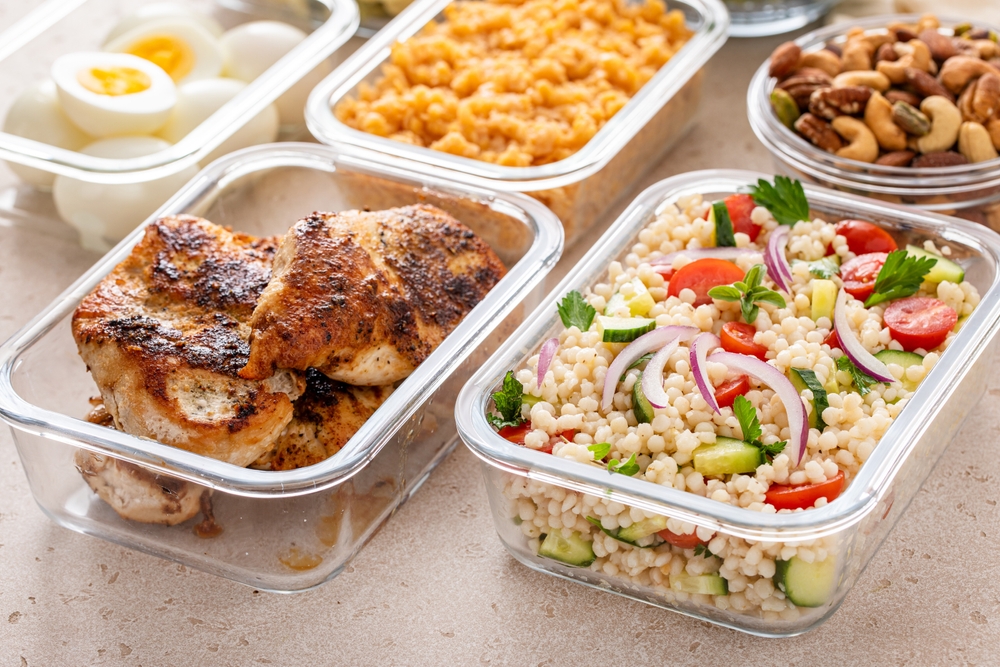
Meal prepping is most effective when you focus on preparation rather than making every dinner completely finished. Washing vegetables, cooking rice, seasoning chicken, and preparing a sauce in advance can save valuable time when you’re hungry on a busy Tuesday evening.
A two-hour session also gives you a chance to plan portions, use ingredients before they spoil, and reduce the temptation to order food because cooking feels like too much work.
You don’t need expensive containers, specialized equipment, or an elaborate meal plan. A few airtight containers, basic kitchen tools, and a little organization are enough to get started.
The Five Weeknight Dinners You’ll Prepare
This plan uses overlapping ingredients to keep shopping simple while giving each dinner its own personality.
Monday: Lemon Garlic Chicken With Rice and Roasted Vegetables
Start the week with a balanced, satisfying meal featuring juicy lemon-garlic chicken, fluffy rice, and colorful roasted vegetables. Use chicken breast or boneless thighs, depending on your preference, and season them with garlic, lemon juice, paprika, black pepper, and a little olive oil.
Serve the chicken with rice and roasted carrots, bell peppers, and broccoli. Add a spoonful of yogurt sauce for extra flavor.
Weeknight shortcut: Cook the rice and roast the vegetables during your prep session. Store the raw, seasoned chicken separately and cook it fresh on Monday for the best texture, or freeze it in a labeled portion if you’re preparing it further in advance.
Tuesday: Chicken and Vegetable Fajita Bowls
Turn similar ingredients into a completely different dinner by using fajita-style seasoning. Combine cooked chicken with sautéed bell peppers and onions, then serve over rice with black beans, corn, salsa, or a squeeze of lime.
For a vegetarian option, replace the chicken with extra beans or firm tofu.
Weeknight shortcut: Slice the peppers and onions during your prep session. If your chicken is already cooked, simply reheat it thoroughly with the vegetables and seasoning before assembling the bowls.
Wednesday: Quick Tomato and Chickpea Curry
A comforting curry is an excellent midweek option because it relies on pantry staples and doesn’t require much last-minute preparation. Sauté onion and garlic with curry powder, cumin, and paprika, then add canned tomatoes and drained chickpeas. Let everything simmer until the sauce thickens, and finish with a little yogurt or coconut milk if desired.
Serve with rice or warm flatbread.
Weeknight shortcut: Make the curry completely during your two-hour session. Its flavors develop nicely as it rests, and it reheats well for a quick dinner later in the week.
Thursday: Sheet-Pan Sausage or Tofu With Roasted Vegetables
By Thursday, an easy tray dinner is especially welcome. Toss sliced chicken sausage or cubed firm tofu with broccoli, carrots, bell peppers, and red onion. Season with olive oil, garlic powder, paprika, salt, and black pepper, then roast until the vegetables are tender and lightly browned.
Serve everything as a bowl, or tuck it into warm wraps with a yogurt-based dressing.
Weeknight shortcut: Wash and chop the vegetables in advance. Store them in the refrigerator, or roast them during your prep session and reheat them for dinner. If you use raw sausage or tofu, prepare and cook them according to their specific instructions.
Friday: Easy Chicken and Vegetable Wraps
Finish the week with a flexible dinner that uses whatever prepared ingredients remain. Fill whole-wheat tortillas or flatbread with cooked chicken, roasted vegetables, lettuce, cucumber, and a simple yogurt-garlic sauce.
Add shredded cheese, beans, or a little salsa if you like. You can also turn the same ingredients into a large salad or rice bowl.
Weeknight shortcut: Prepare the sauce ahead of time and keep the vegetables washed and ready. Assemble the wraps just before eating so the tortillas stay soft and the fresh vegetables remain crisp.
Your Grocery List for Five Dinners
This list is designed for approximately two to four servings per dinner, depending on appetite and portion size. Adjust the quantities to suit your household and how many leftovers you’d like.
Protein and pantry staples
- 1–1.5 kg boneless chicken breast or thighs
- 2 cans chickpeas
- 1 can black beans
- 1 pack chicken sausage or 1 block firm tofu
- 1–2 cups uncooked rice
- 1 pack whole-wheat tortillas or flatbread
- 1 can chopped tomatoes
Vegetables and fresh ingredients
- 3–4 bell peppers
- 1 large broccoli head
- 3–4 carrots
- 2–3 onions
- 1 bulb garlic
- 2 lemons or limes
- 1 cucumber
- Lettuce or salad greens
Dairy and flavor boosters
- Plain yogurt
- Optional shredded cheese
- Olive oil or another cooking oil
- Paprika, cumin, curry powder, garlic powder, and black pepper
- Salt, salsa, and any preferred herbs
Check your pantry before shopping, and substitute vegetables that are affordable and in season. Frozen broccoli, frozen corn, and canned beans are useful time-savers, too.
The Two-Hour Meal-Prep Schedule
The easiest way to stay within two hours is to begin with tasks that take the longest and work on other ingredients while they cook. Set out your containers and ingredients before starting the timer.
Minutes 0–15: Organize and Get Everything Started
Read through the plan and clear your counter. Wash your hands, gather your ingredients, and preheat the oven to around 200°C (400°F).
Rinse the rice if needed and start cooking it according to the package instructions. Drain and rinse the chickpeas and black beans, wash the vegetables, and set out your seasonings.
Divide the chicken into portions for Monday, Tuesday, and Friday. Season it with lemon, garlic, paprika, and pepper, keeping raw chicken separate from ready-to-eat ingredients.
Minutes 15–40: Chop, Season, and Roast
Cut the carrots, broccoli, bell peppers, and onions into similarly sized pieces so they cook more evenly. Toss the vegetables with a little oil and seasoning, spread them across baking trays, and place them in the oven.
While the vegetables roast, slice the peppers and onions needed for the fajita bowls. Prepare any additional vegetables for Thursday’s tray dinner, and mix your yogurt-garlic sauce.
Keep raw meat and its utensils away from cooked food and washed salad ingredients. If you are preparing raw chicken for later, portion it into a sealed container and refrigerate or freeze it promptly.
Minutes 40–70: Cook the Curry and Finish the Rice
Prepare the tomato and chickpea curry on the stove-top. Sauté the onion and garlic, add your spices, stir in the tomatoes and chickpeas, and simmer until the sauce reaches your preferred consistency.
Check the rice and roasted vegetables, removing them when they’re cooked. If you have enough oven space, roast the vegetables for the sausage or tofu dinner at the same time, using a separate tray.
Taste the curry and adjust the seasoning. Add a little water if the sauce becomes too thick.
Minutes 70–95: Prepare the Remaining Components
Finish chopping fresh ingredients such as cucumber and lettuce, then store them separately from warm food. Prepare a second sauce or dressing if you’d like variety, perhaps a lemon-yogurt dressing or a quick salsa-based sauce.
Portion the cooked rice, curry, and roasted vegetables into shallow containers. Keep the components separate where possible, so you can combine them differently throughout the week.
If you plan to cook chicken or sausage during this session, use a clean pan or baking tray and cook it to a safe internal temperature. Chicken should reach 74°C (165°F) in the thickest part.
Minutes 95–115: Portion and Label
Divide the prepared food into meal-sized portions. Label each container with the meal name and preparation date, and keep fresh toppings, sauces, and salad ingredients separate.
Refrigerate the meals you’ll eat within the next few days. Freeze later-week portions promptly rather than keeping cooked food in the refrigerator all week.
Remember that the two-hour target is for the prep session itself. Cooking times may overlap, so use the schedule flexibly based on your oven, stove-top, and the quantities you’re preparing.
Minutes 115–120: Clean Up and Plan Your Week
Wipe down the counters, wash the utensils, and make a quick note of what goes with each dinner. Move any frozen meal to the refrigerator the day before you need it, allowing enough time for safe thawing.
That’s it. You’ve completed the main preparation, and the hardest part of your weeknight dinners is already behind you.
Food Storage Tips That Keep Meal Prep Safe
Meal prep is only helpful when food stays safe to eat. Cooked meals shouldn’t sit at room temperature for hours while you finish cleaning or portioning everything.
- Cool and refrigerate promptly. Divide large batches into shallow containers and refrigerate within two hours of cooking, or within one hour when the temperature is above 32°C (90°F).
- Use cooked leftovers within three to four days. Refrigerate at 4°C (40°F) or below. Freeze portions intended for later in the week if you won’t eat them within that period.
- Keep raw chicken separate. Store it in a sealed container on the bottom shelf of the refrigerator to prevent juices from dripping onto other food.
- Reheat thoroughly. Reheat leftovers to 74°C (165°F), checking the center with a food thermometer when possible.
- Store fresh ingredients separately. Keep lettuce, cucumber, sauces, and crunchy toppings apart from warm components to preserve their texture.
- Label everything. A date and meal name help you use the oldest food first and avoid guessing how long something has been stored.
How to Make Meal Prep Easier and More Affordable
You don’t have to follow the plan exactly for it to work. A few smart adjustments can make the process even more manageable.
Choose ingredients that work in multiple meals. Chicken, rice, bell peppers, yogurt, and onions can appear in several dinners without making the meals feel identical. Changing the seasoning and presentation helps keep things interesting.
Use convenience ingredients strategically. Frozen vegetables, canned chickpeas, pre-washed salad greens, and jarred salsa can cut down on preparation time. They are useful options when fresh ingredients are expensive or difficult to prepare during a busy week.
Don’t over complicate the recipes. Two sauces, a few seasonings, and familiar ingredients are often enough. You can experiment with new flavors once the routine feels comfortable.
Prep according to your schedule. If Sunday is busy, divide the work into two shorter sessions. Cook grains and curry on one day, then chop vegetables and portion proteins on another.
Keep one flexible dinner. Friday’s wraps are designed to use leftover ingredients, helping reduce food waste and making it easier to adjust portions as the week progresses.
Consider your household’s needs. For children, keep sauces and seasonings mild and serve toppings separately. For anyone managing a medical condition or specific dietary requirements, adapt the meals to their individual nutrition plan.
Common Meal-Prep Mistakes to Avoid
One common mistake is trying to cook every meal completely at once, even when some foods taste better freshly prepared. Cooking all five dinners in advance can also leave you with more food in the refrigerator than you can safely use.
Another mistake is packing hot food into deep, tightly stacked containers and leaving it on the counter to cool for too long. Shallow containers help food cool more quickly, so refrigerate it promptly.
Finally, avoid making every meal taste exactly the same. A lemon-garlic seasoning, a smoky fajita blend, a warming curry, and a fresh yogurt sauce create variety without requiring five separate shopping lists.
Make Your Next Weeknight Dinner Easier
Preparing five weeknight dinners in two hours is less about rushing and more about working in the right order. Start the rice, roast vegetables while you chop, simmer the curry while other ingredients cook, and portion everything once the main components are ready.
With a little practice, you’ll develop a routine that fits your kitchen, budget, and schedule. Instead of spending every evening cooking from scratch, you’ll have a fridge or freezer stocked with convenient building blocks for meals that are quick, satisfying, and easy to customize.
The best part? You don’t need to be a meal-prep expert. Start with these five dinners, adjust the ingredients to your taste, and enjoy having one less thing to worry about during the week.